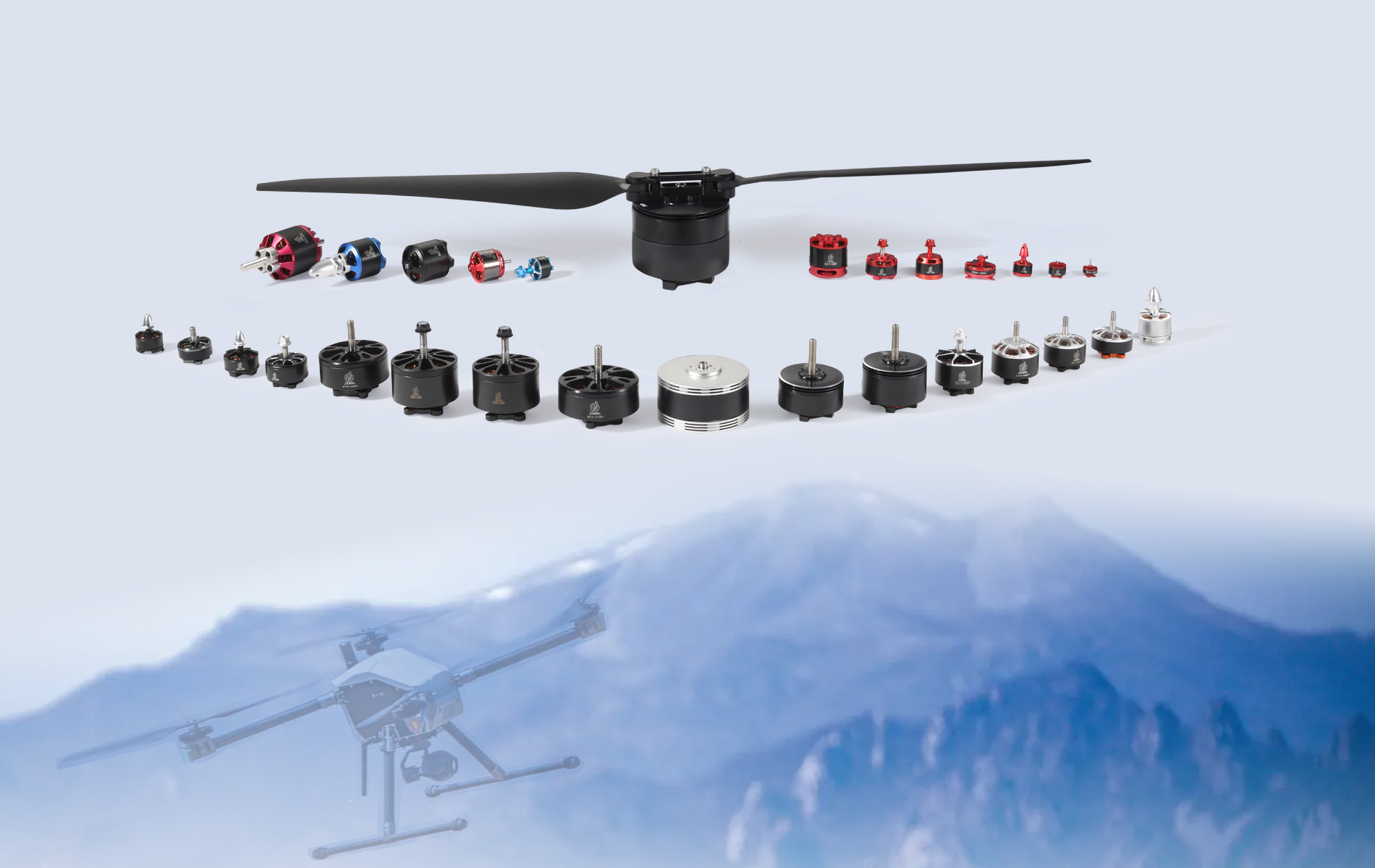
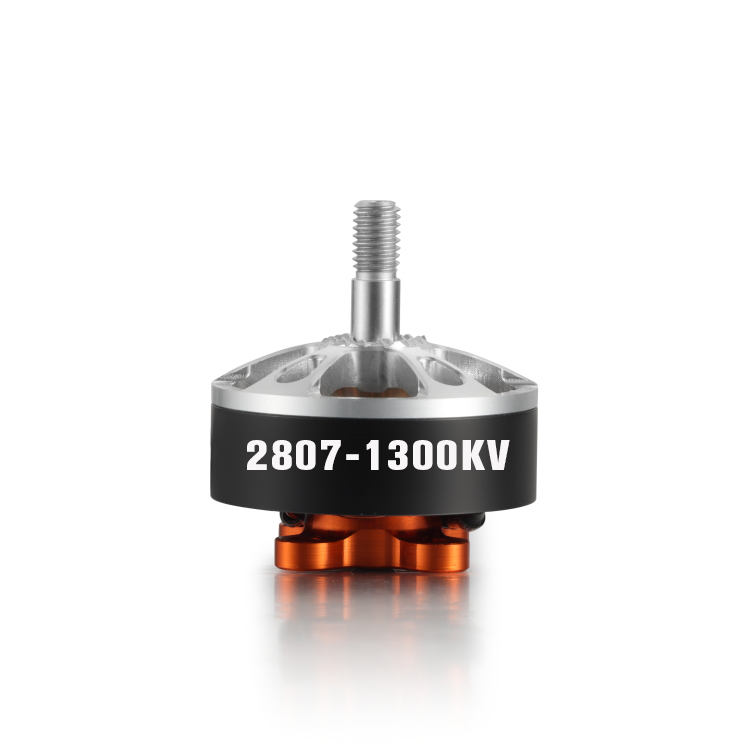
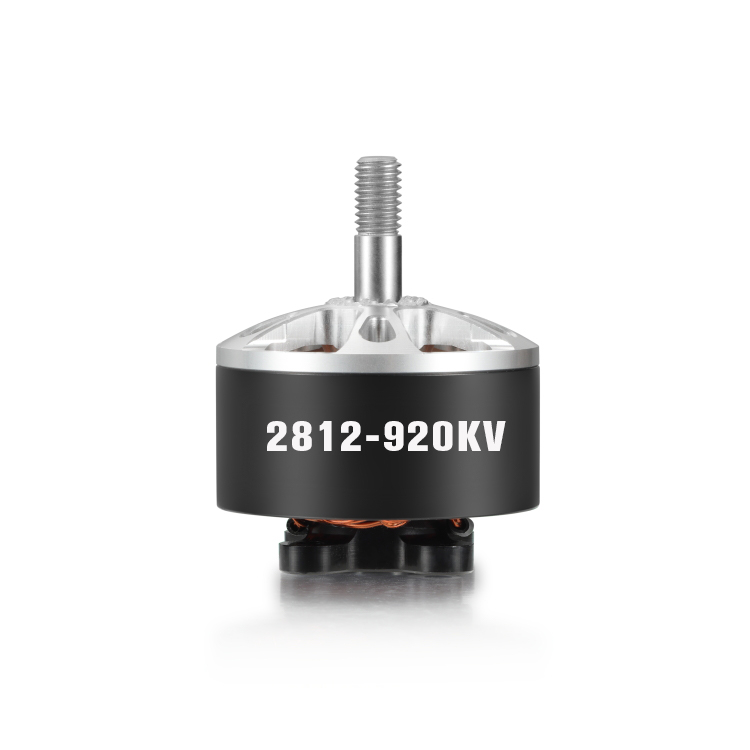
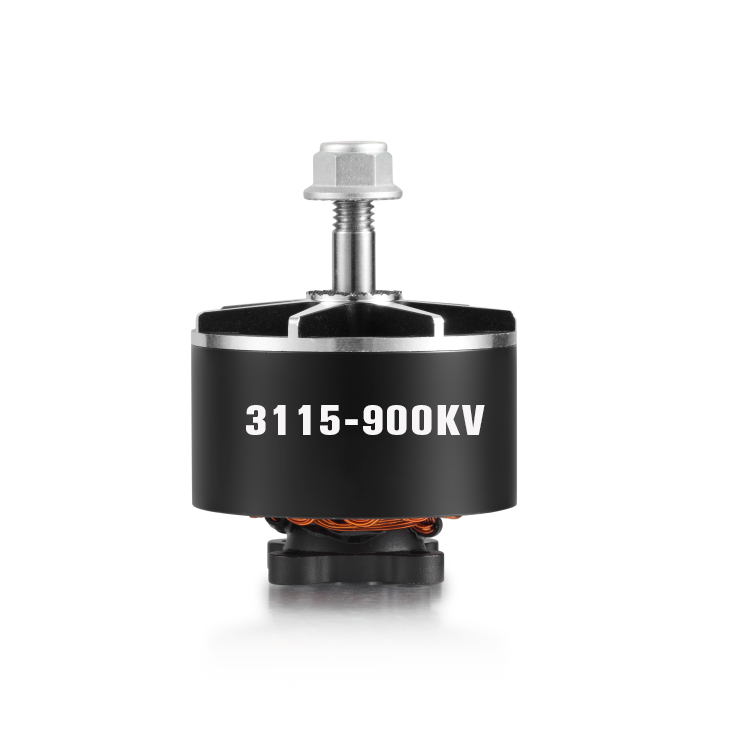
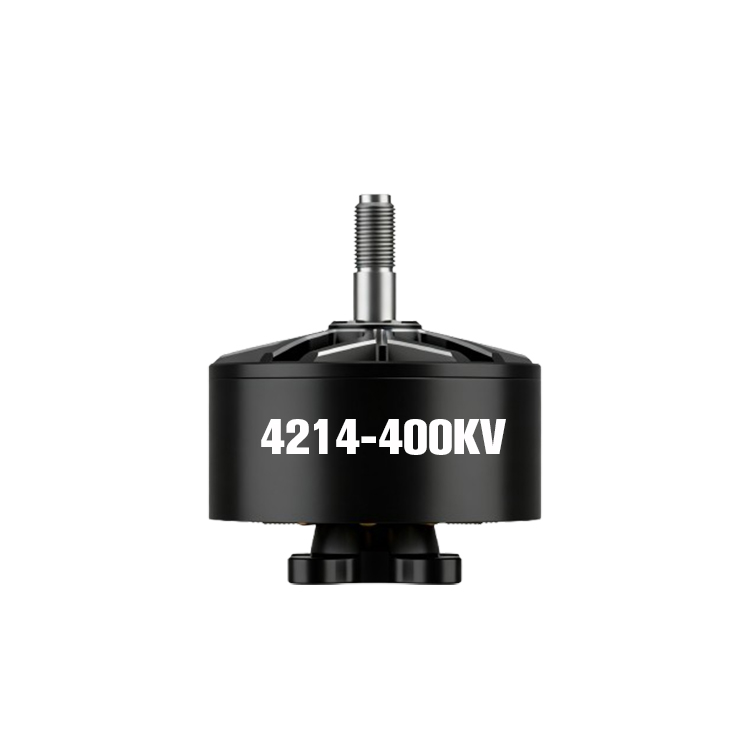
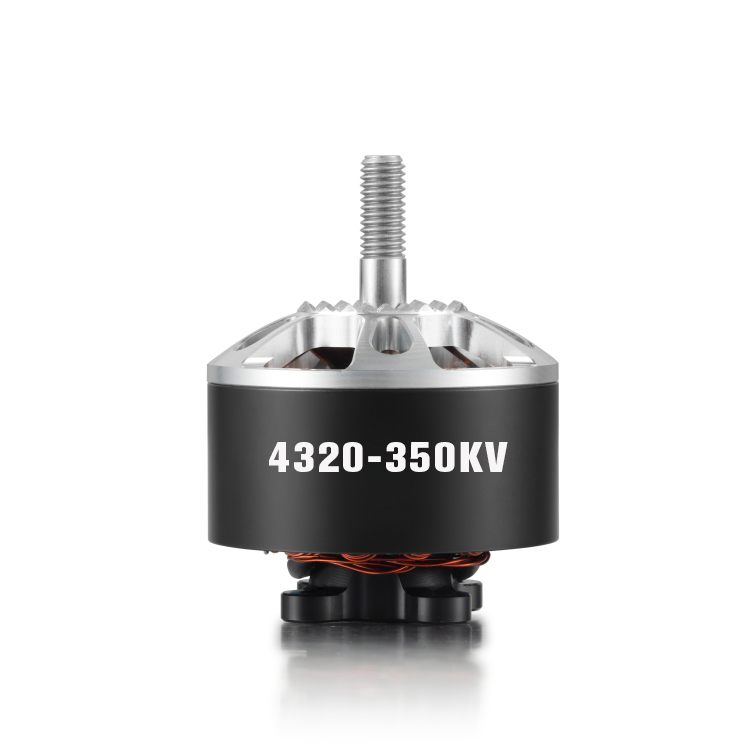
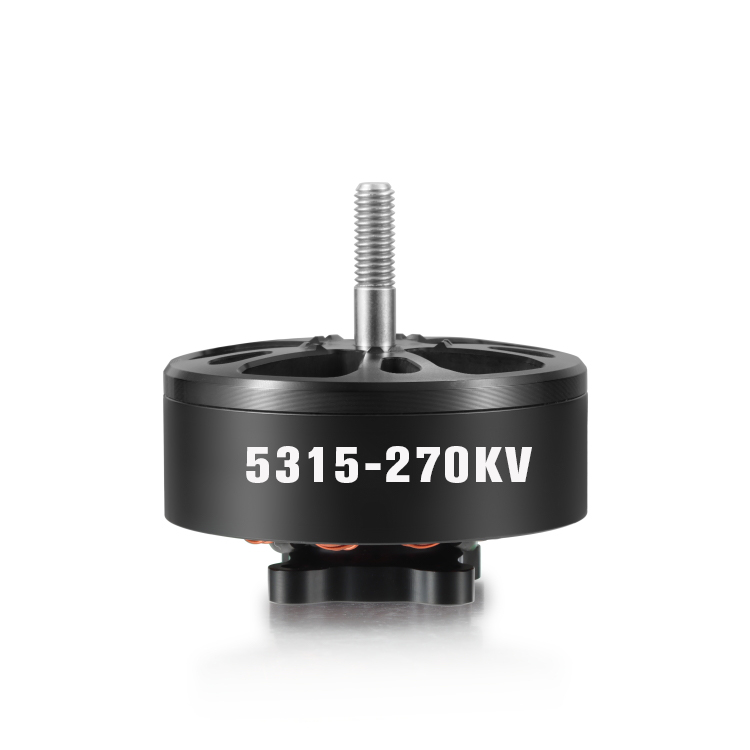
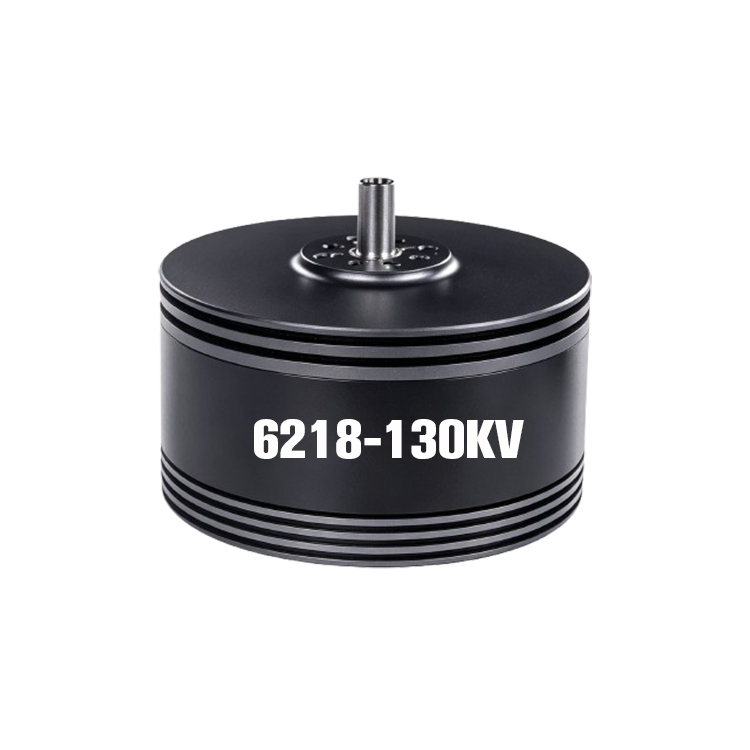
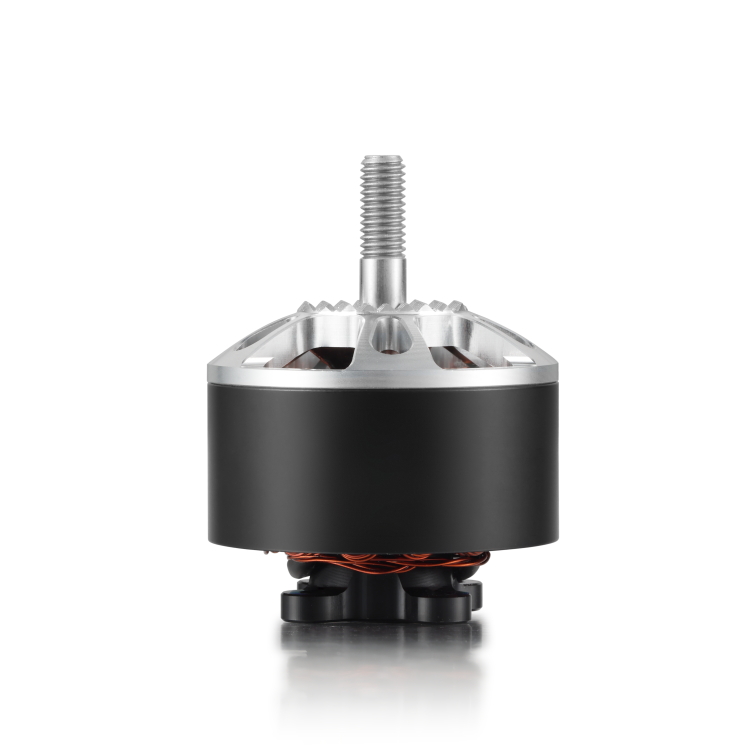
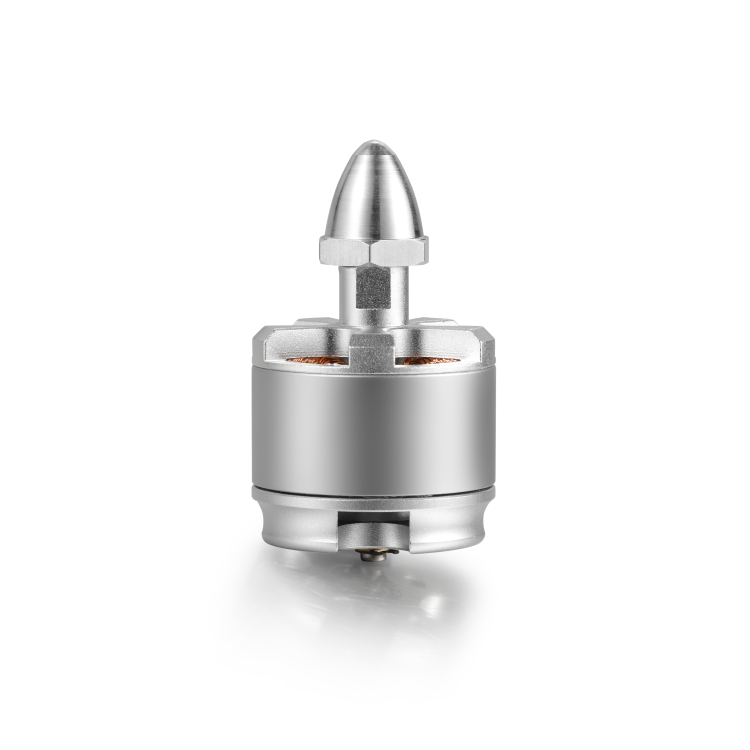
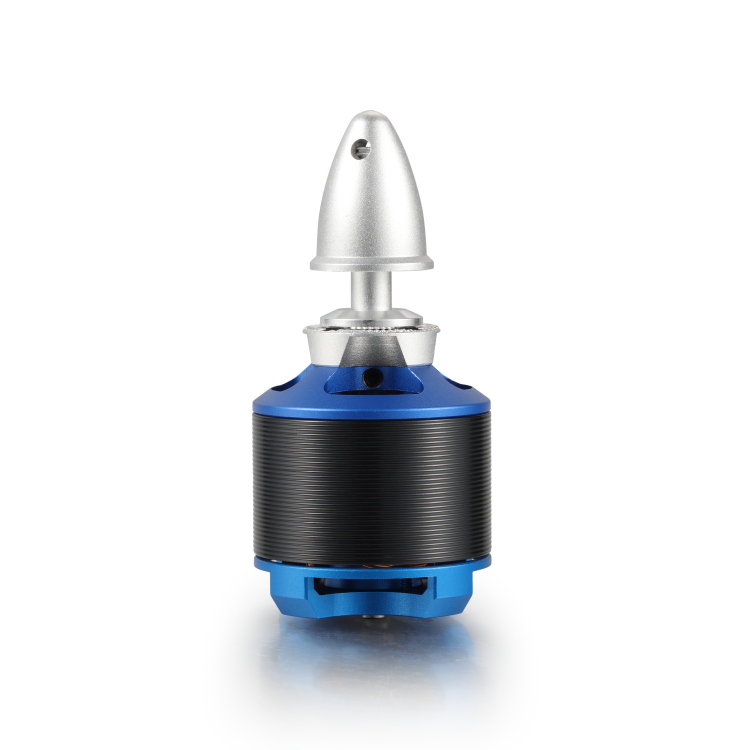
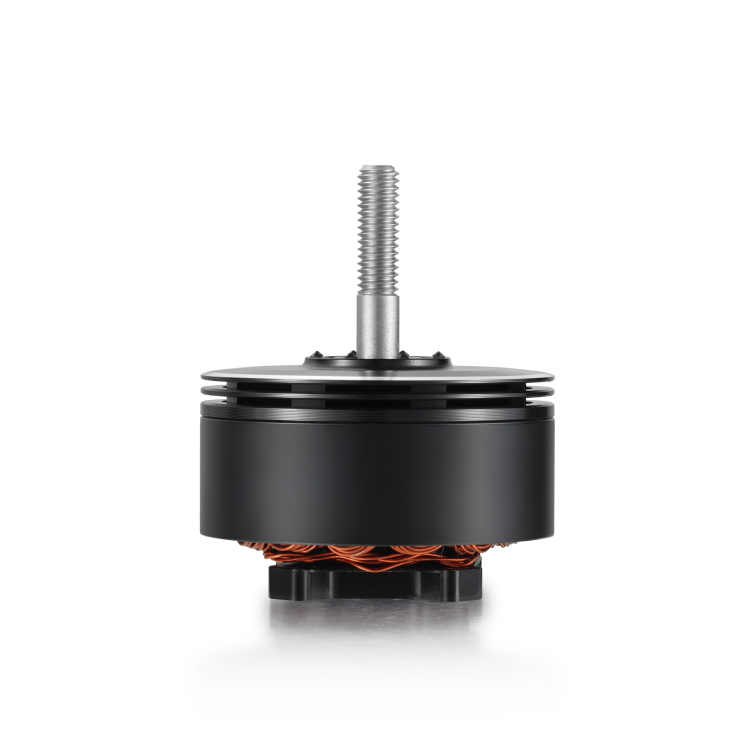
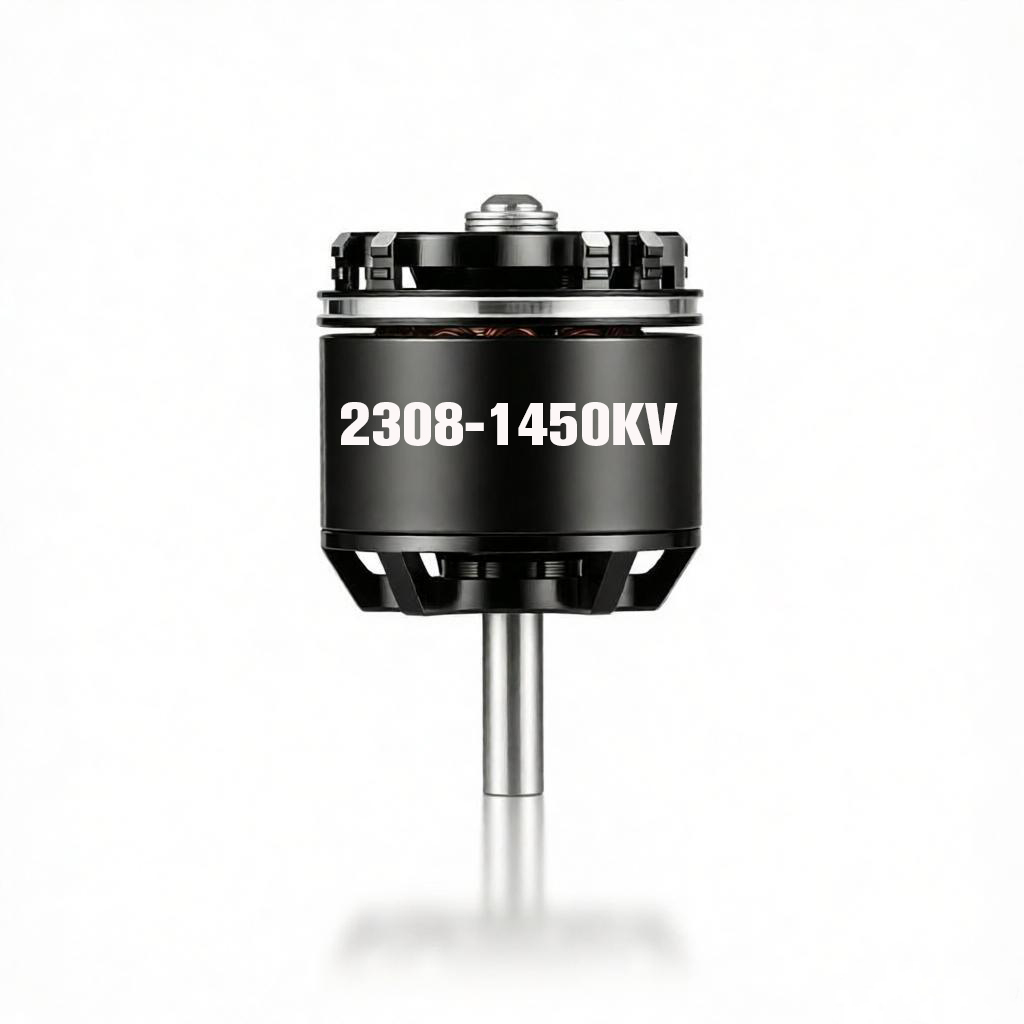
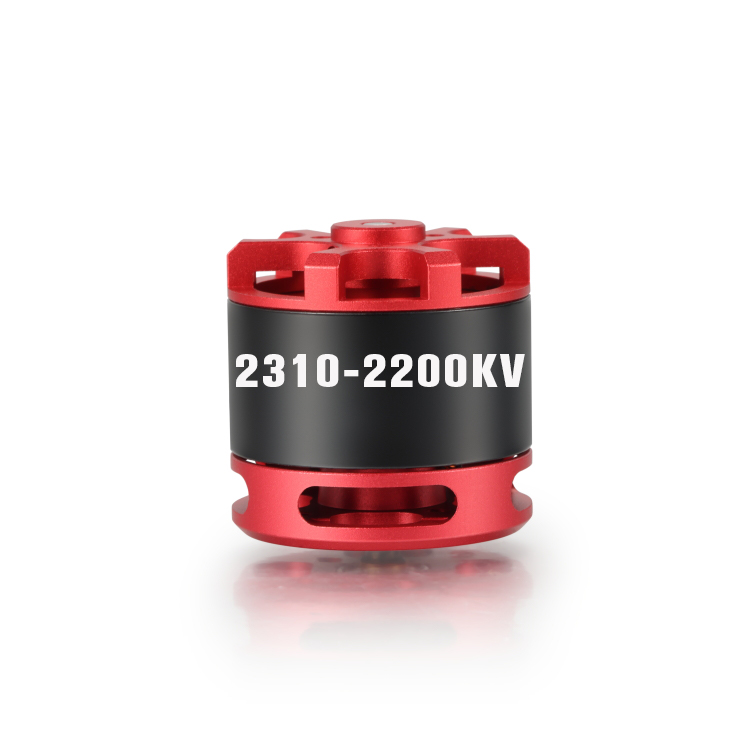
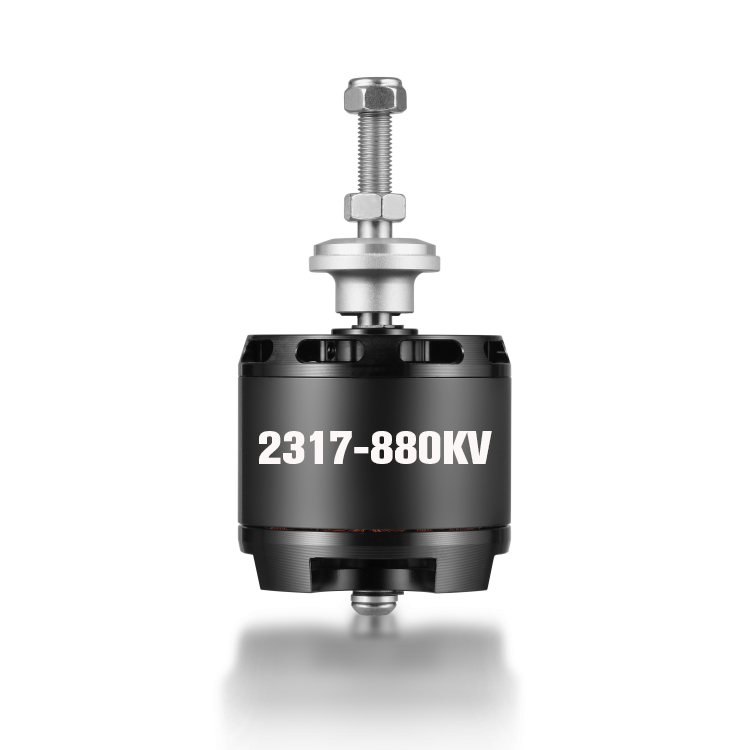
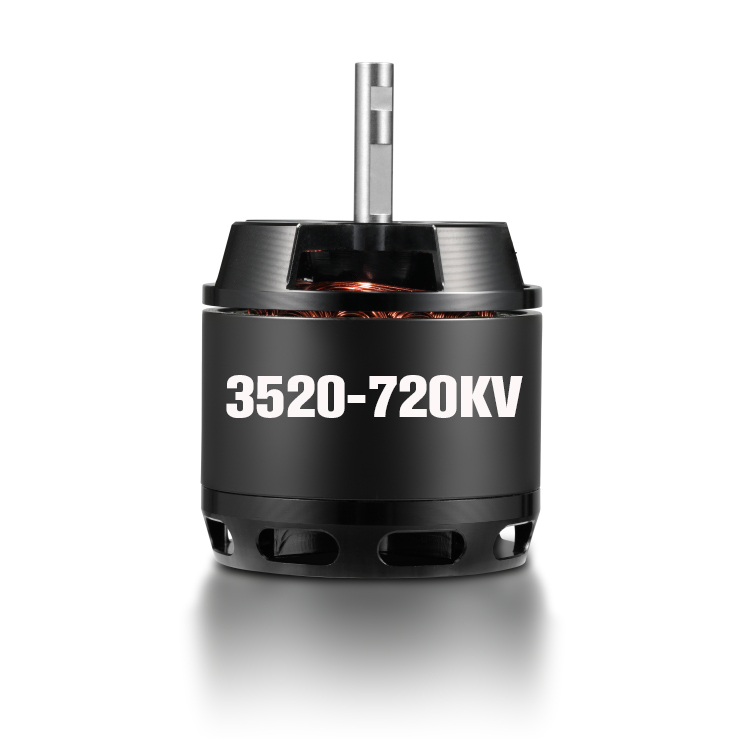
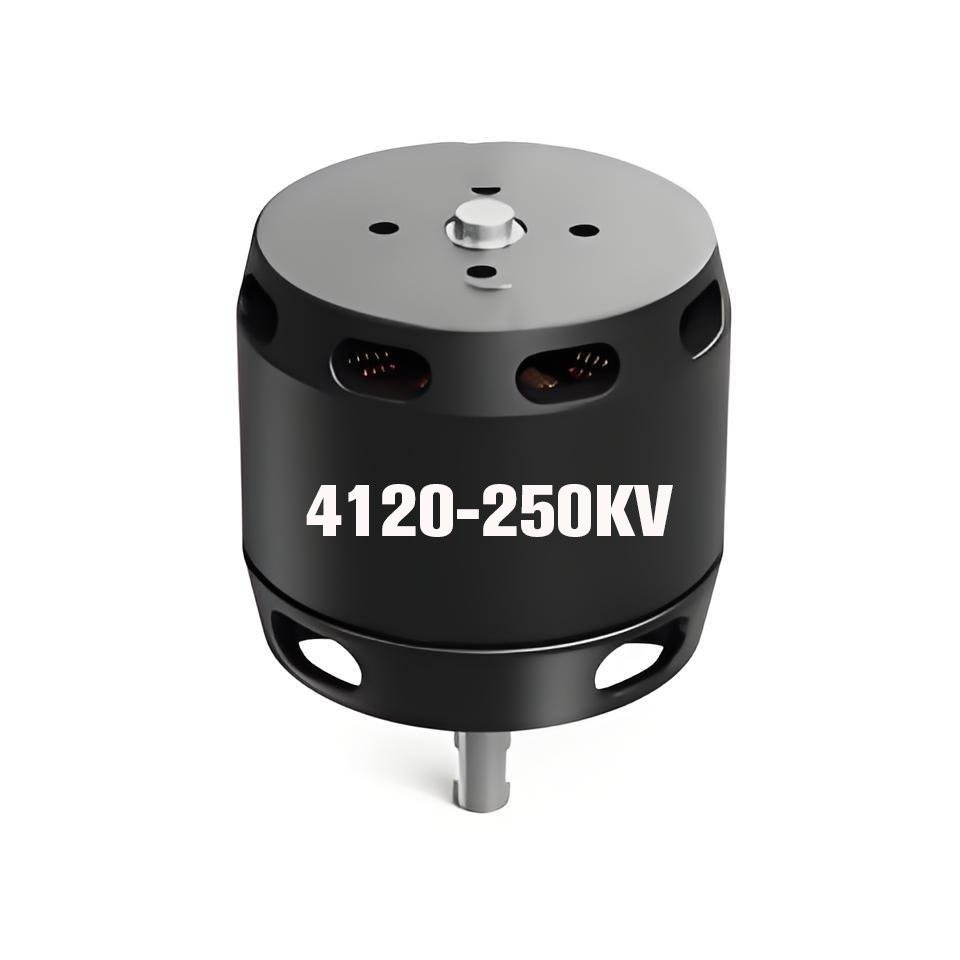
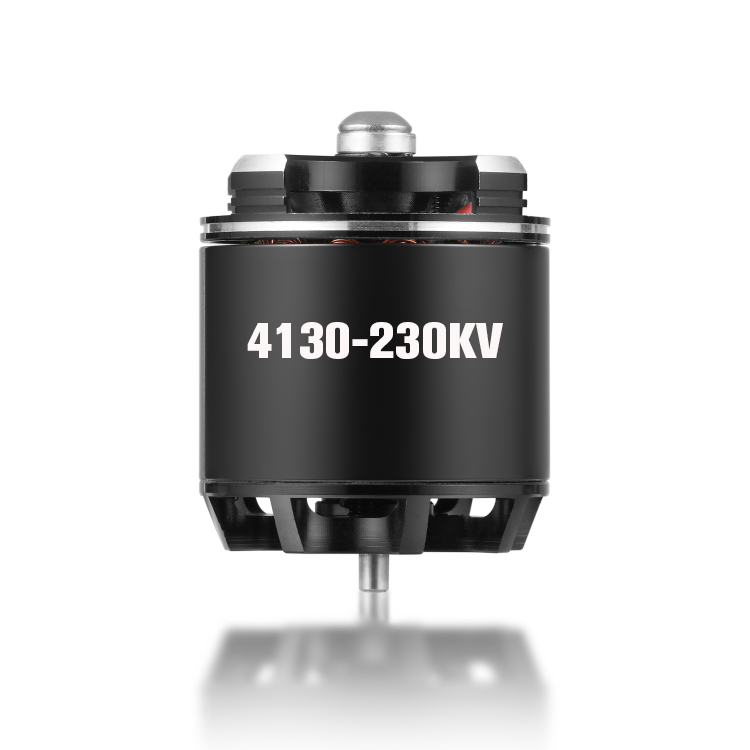
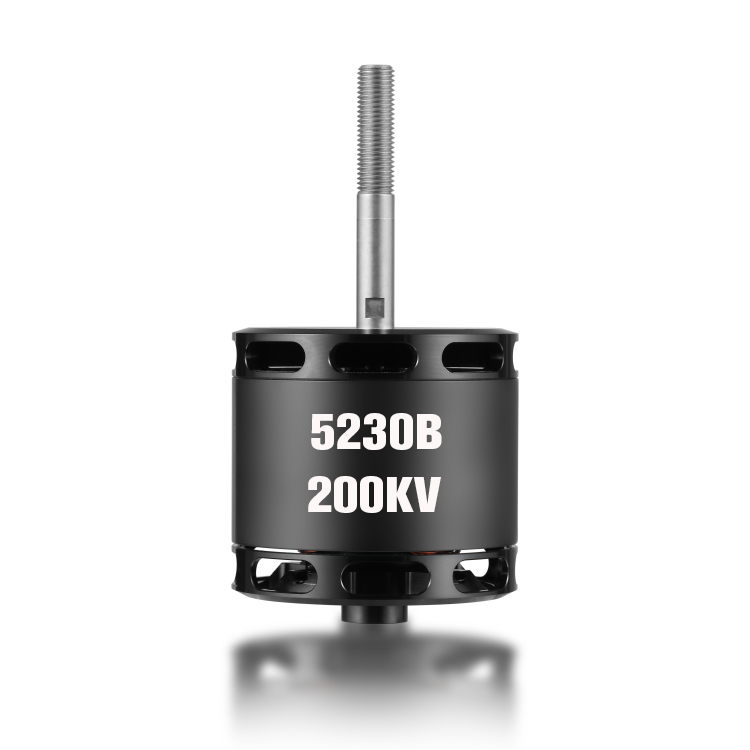
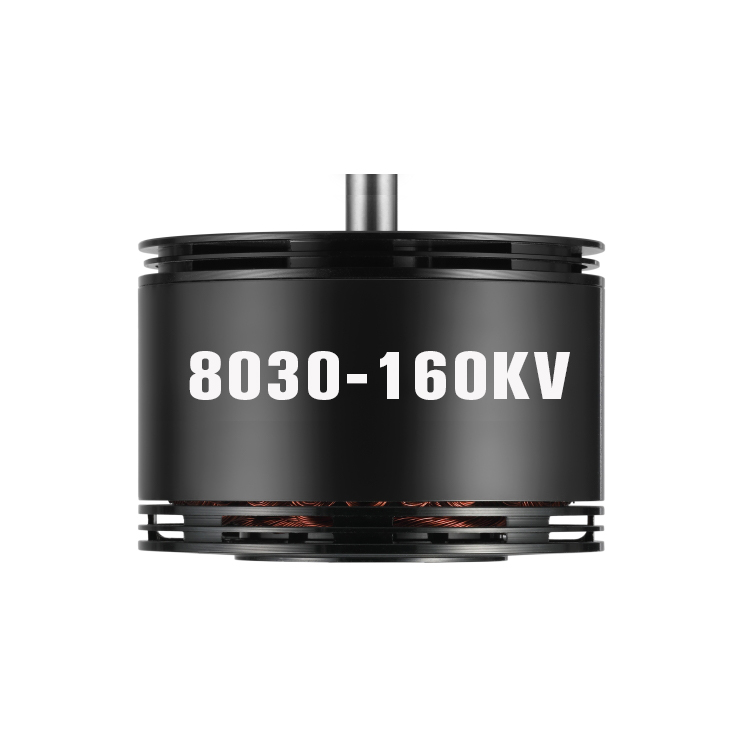
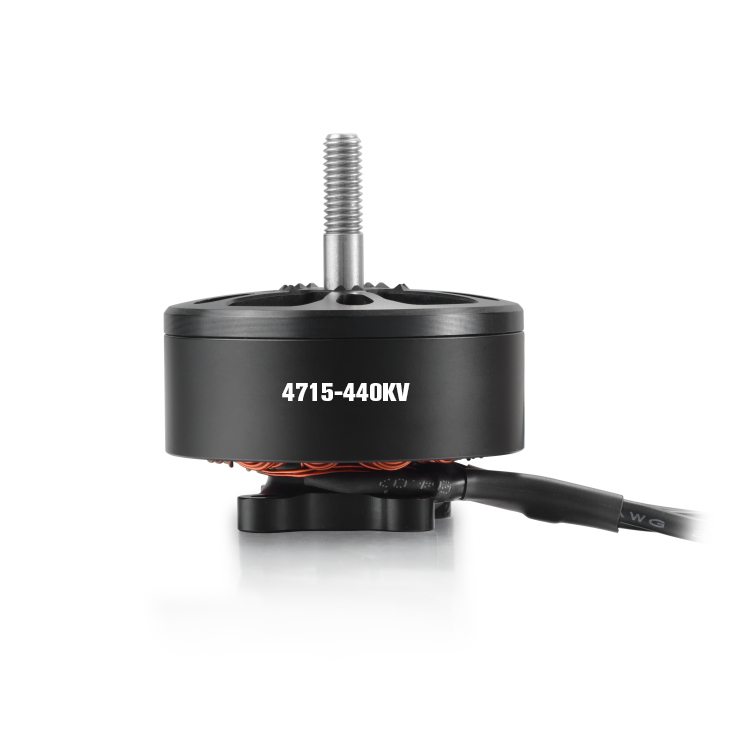
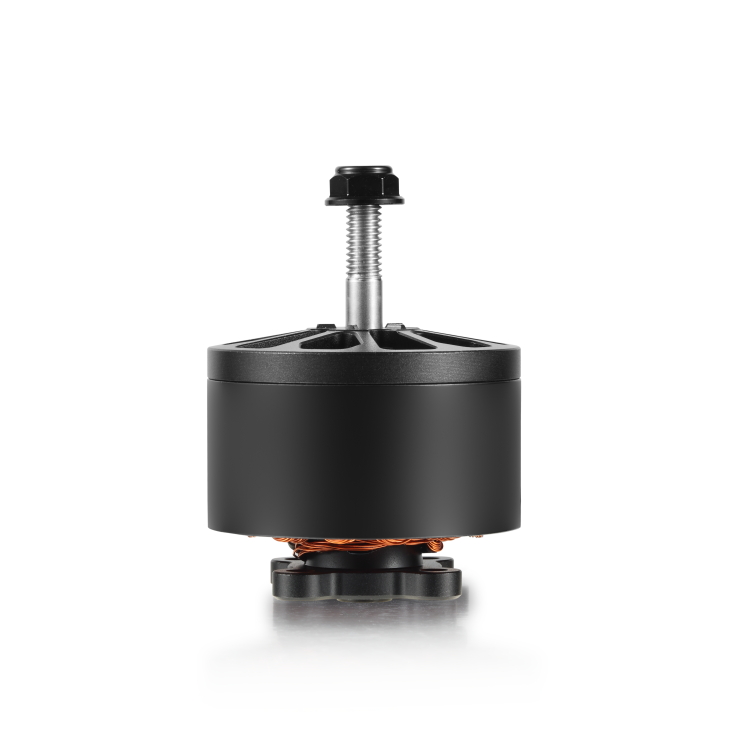
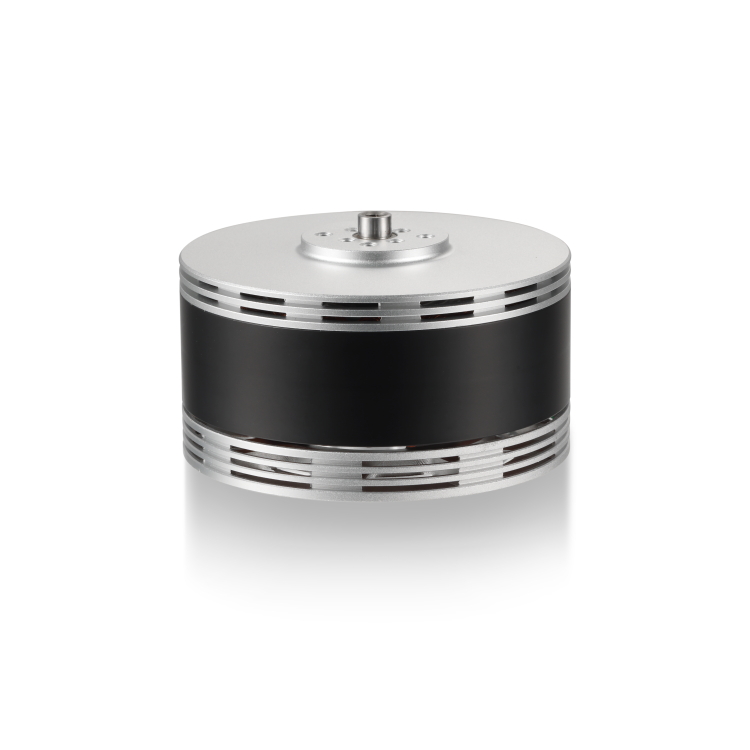
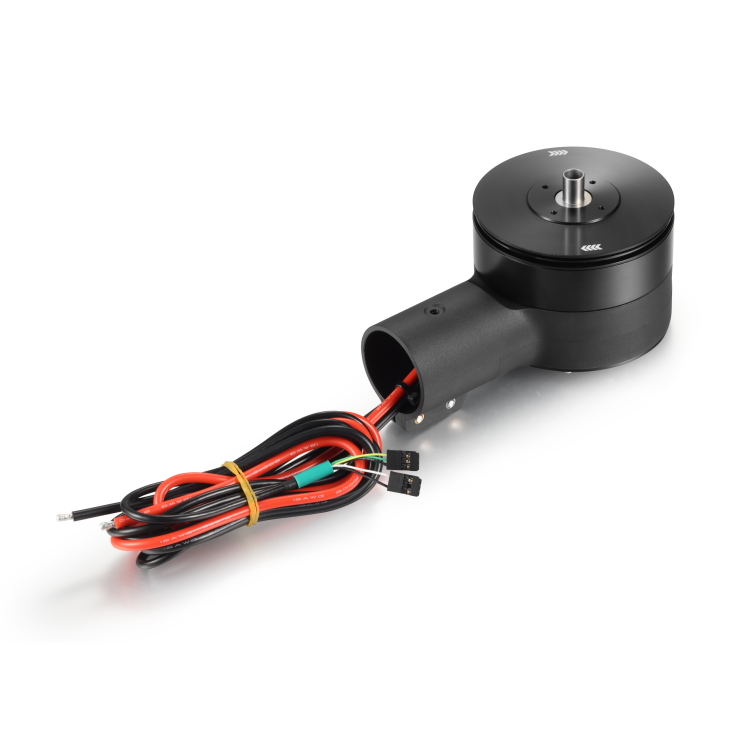
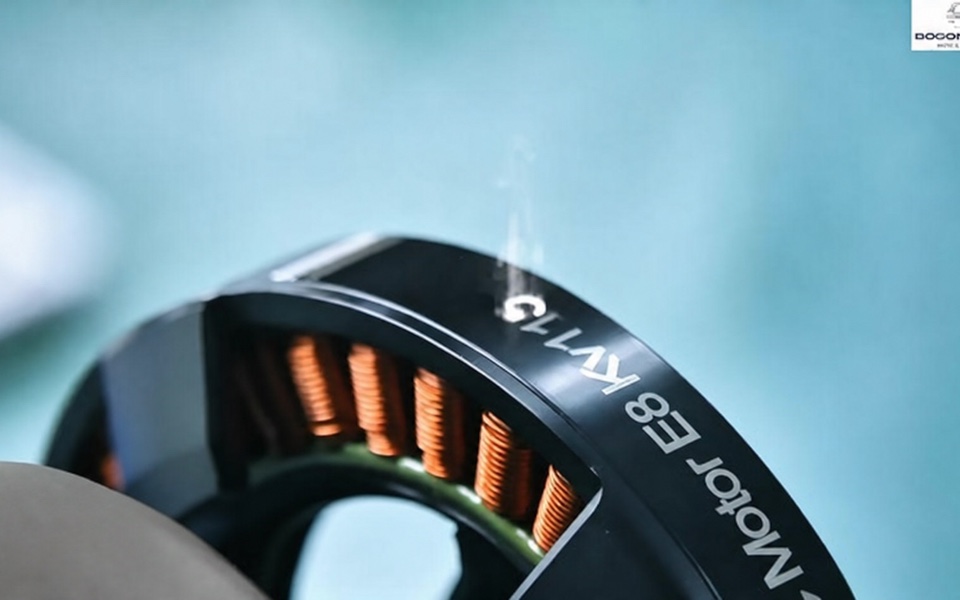
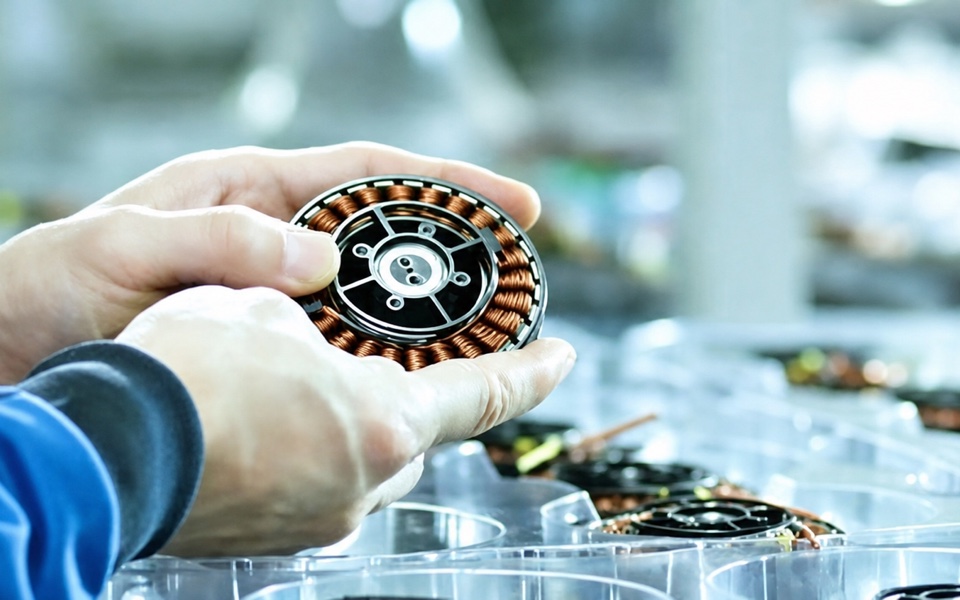
The high-magnetic-conductivity silicon steel stator of the drone’s external rotor motor, after being precisely wound and insulated using automated processes, is combined with the permanent magnet rotor that has been balanced using automated techniques on an automated production line. Subsequently, it undergoes thorough inspection, aging, and laser coding processes, resulting in large-scale delivery from raw components to finished products.
From components to finished motors
Automated processes, precise assembly and full-process quality control.
Motor WindingMotor ProcessingElectrical TestingLaser MarkingMotor AssemblyTesting Room
01
Stator manufacturing
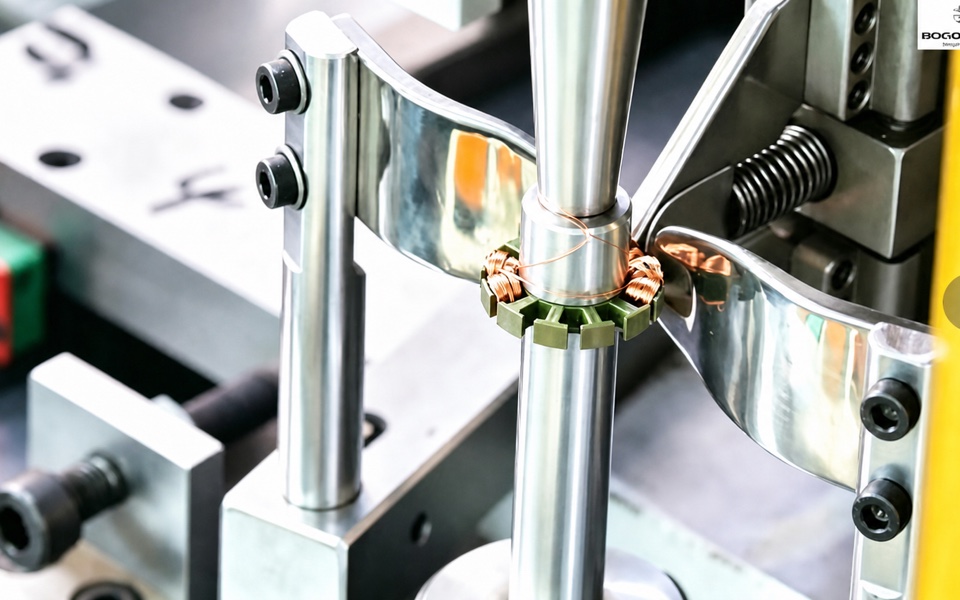
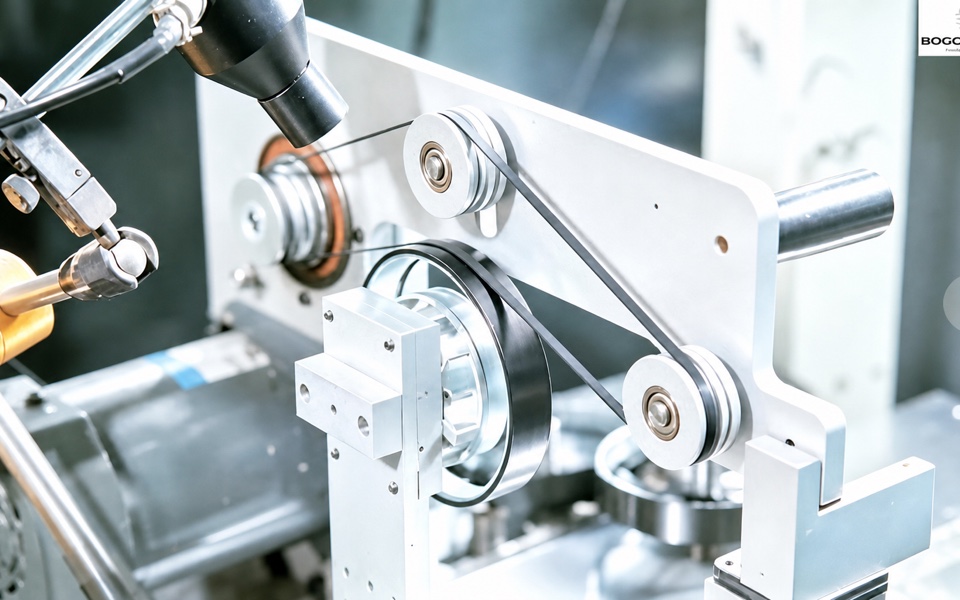
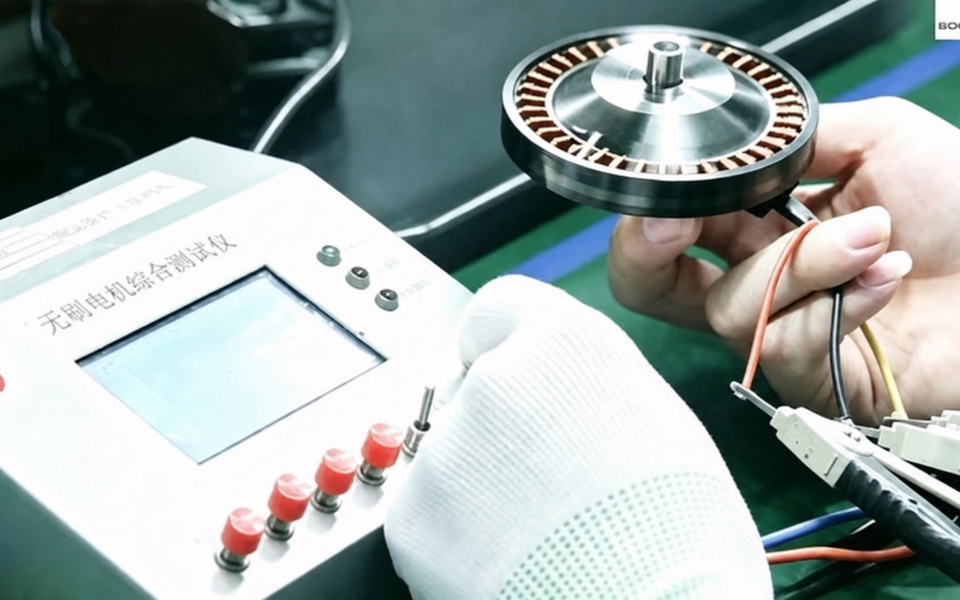
The stator core is manufactured by stamping and stacking high-magnetic-permeability silicon steel sheets. After the tooth parts are insulated, fine wires are wound in multiple strands using a high-precision automatic winding machine. A tension feedback system ensures that the wires are arranged neatly and have consistent turns; this significantly improves the slot fill rate and reduces copper loss. After welding and protection with heat shrink tubing are completed, the device undergoes thorough electrical performance testing. Then, it is precisely pressed together with the flange shaft and bearings. Finally, it is baked and cured, thereby establishing the foundation for efficient energy conversion of the motor.
02
Rotor manufacturing
After the rotor casing and shaft are precisely pressed together, neodymium-iron-boron magnets are applied to the inner wall using automated dispensing techniques, according to the specified number of poles. The magnets are then cured through heating and subjected to Gauss testing to ensure uniform performance across all magnets. Subsequently, a high-speed dynamic balance machine is used to perform G0.4-level dynamic balance adjustments on the rotor assembly, thereby eliminating vibration sources that occur during high-speed rotation, which helps to ensure long service life and low-noise operation of the motor.
03
Assembly and Quality Control
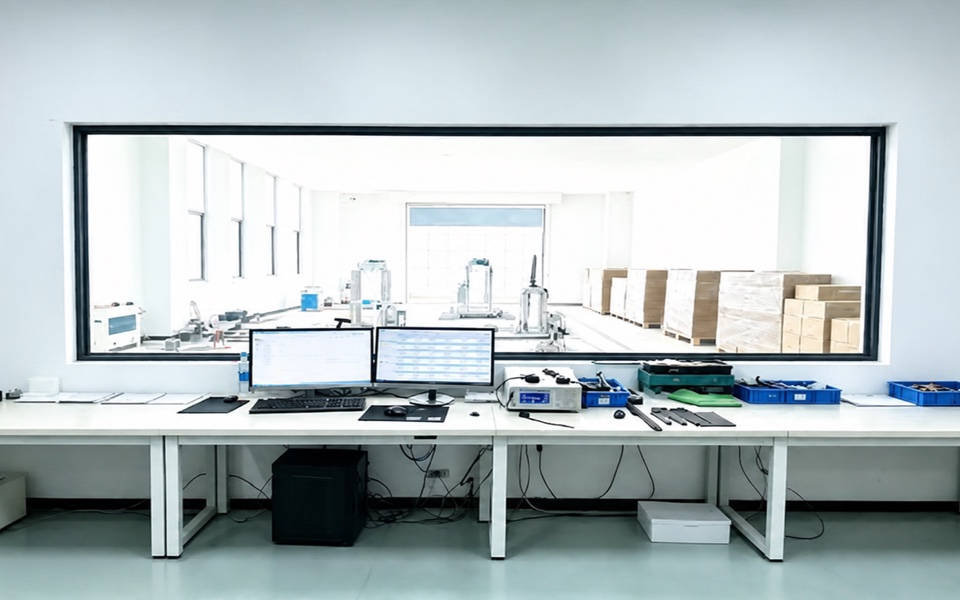
The stator rotor is precisely assembled using automated equipment, with careful control of the very small air gap. Subsequently, spring washers are installed, followed by torque tests, axial clearance measurements, and vibration analysis. The finished product undergoes high-temperature aging tests to verify its long-term stability. Finally, a unique ID is assigned using laser marking, and data tracking throughout its entire lifecycle is carried out through the MES system, ensuring that each motor is delivered to customers meeting high-quality standards.
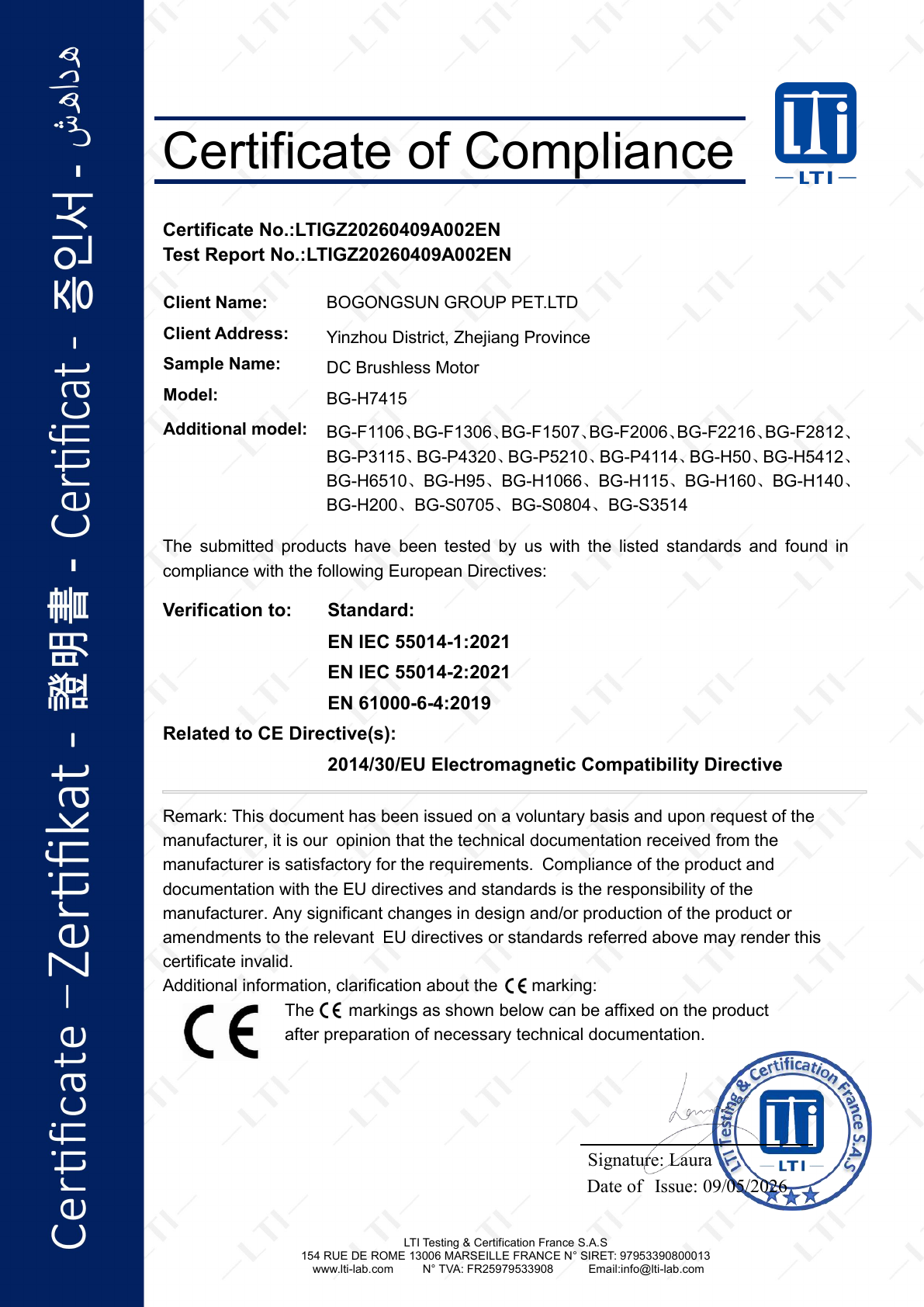
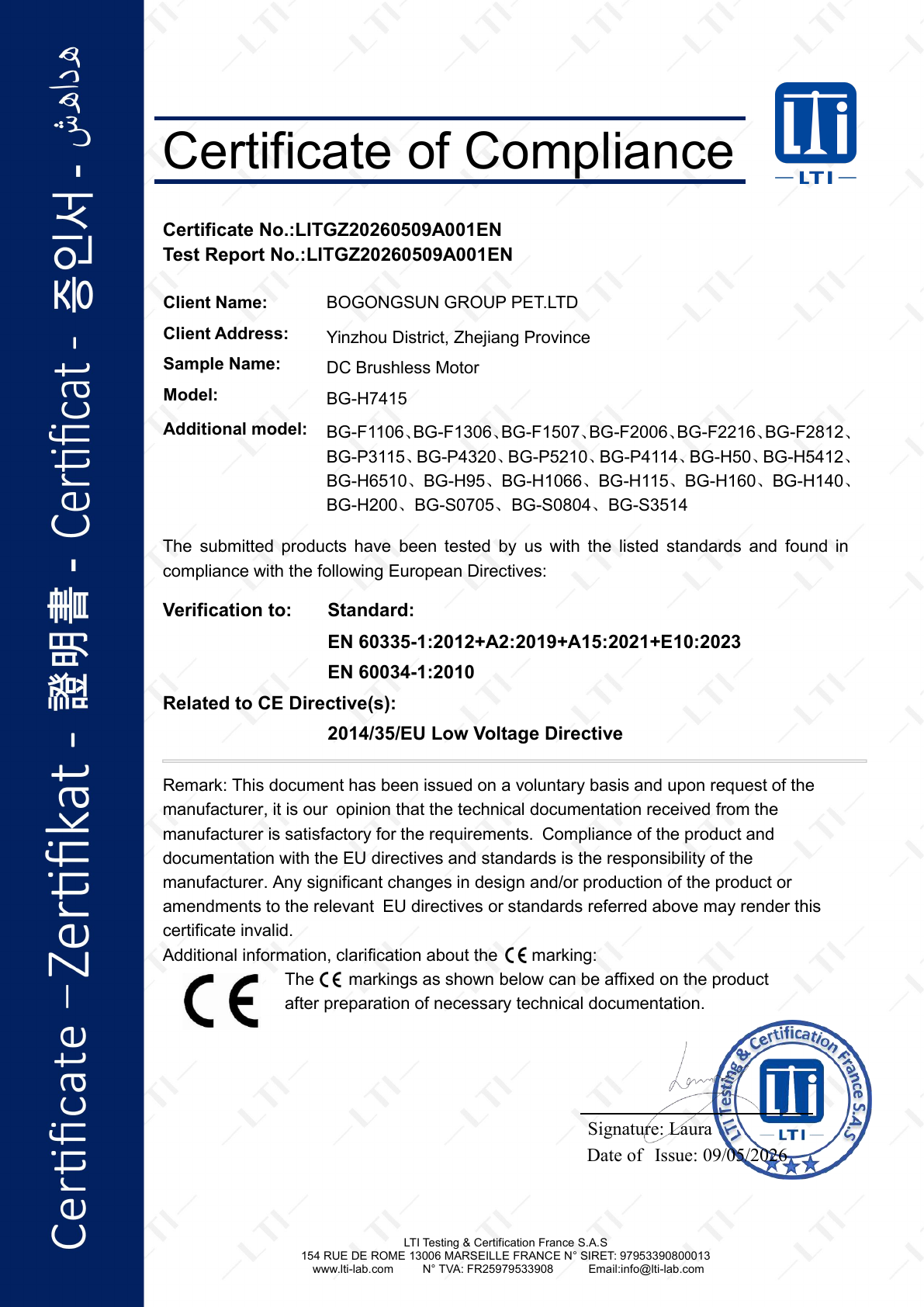
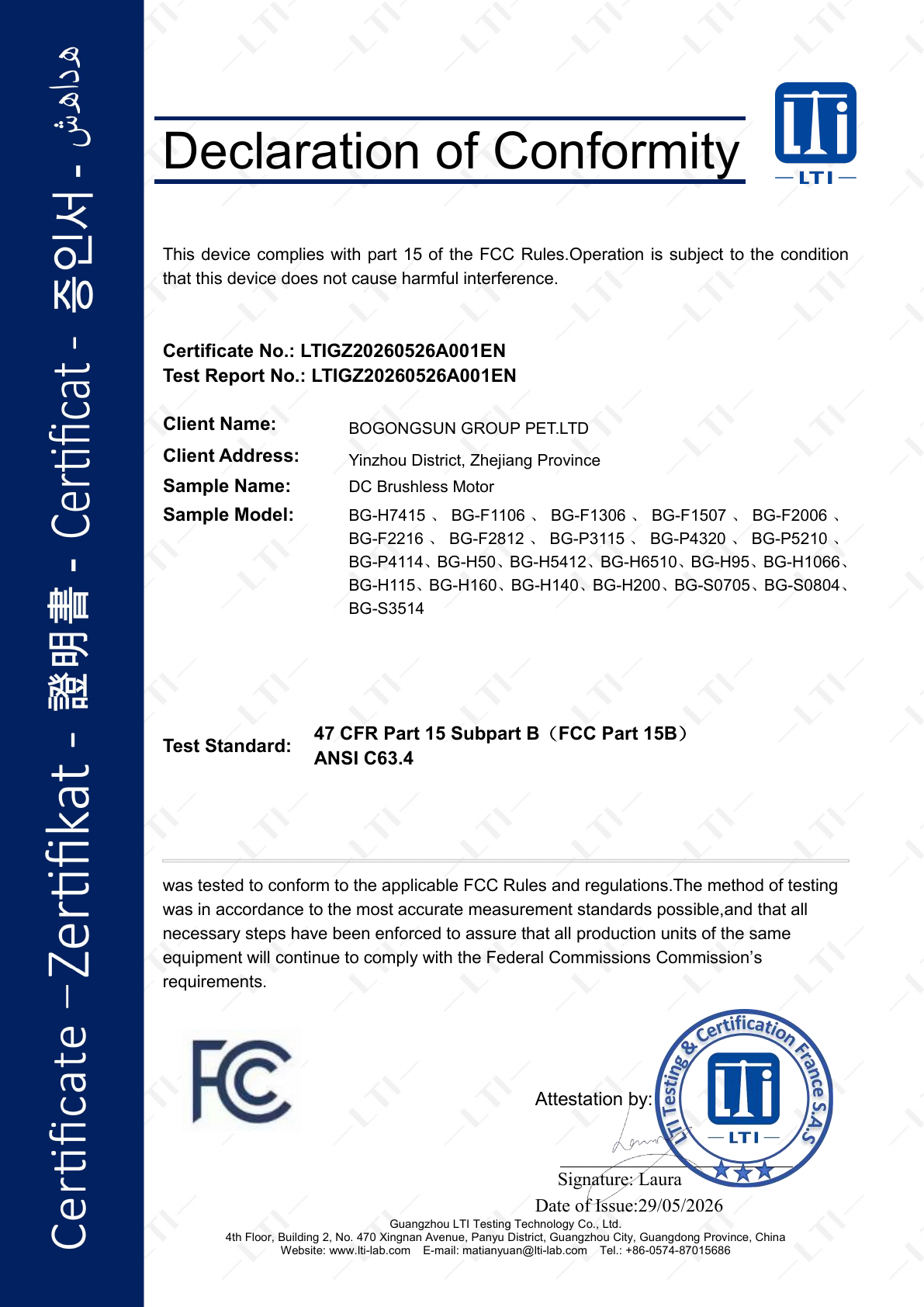
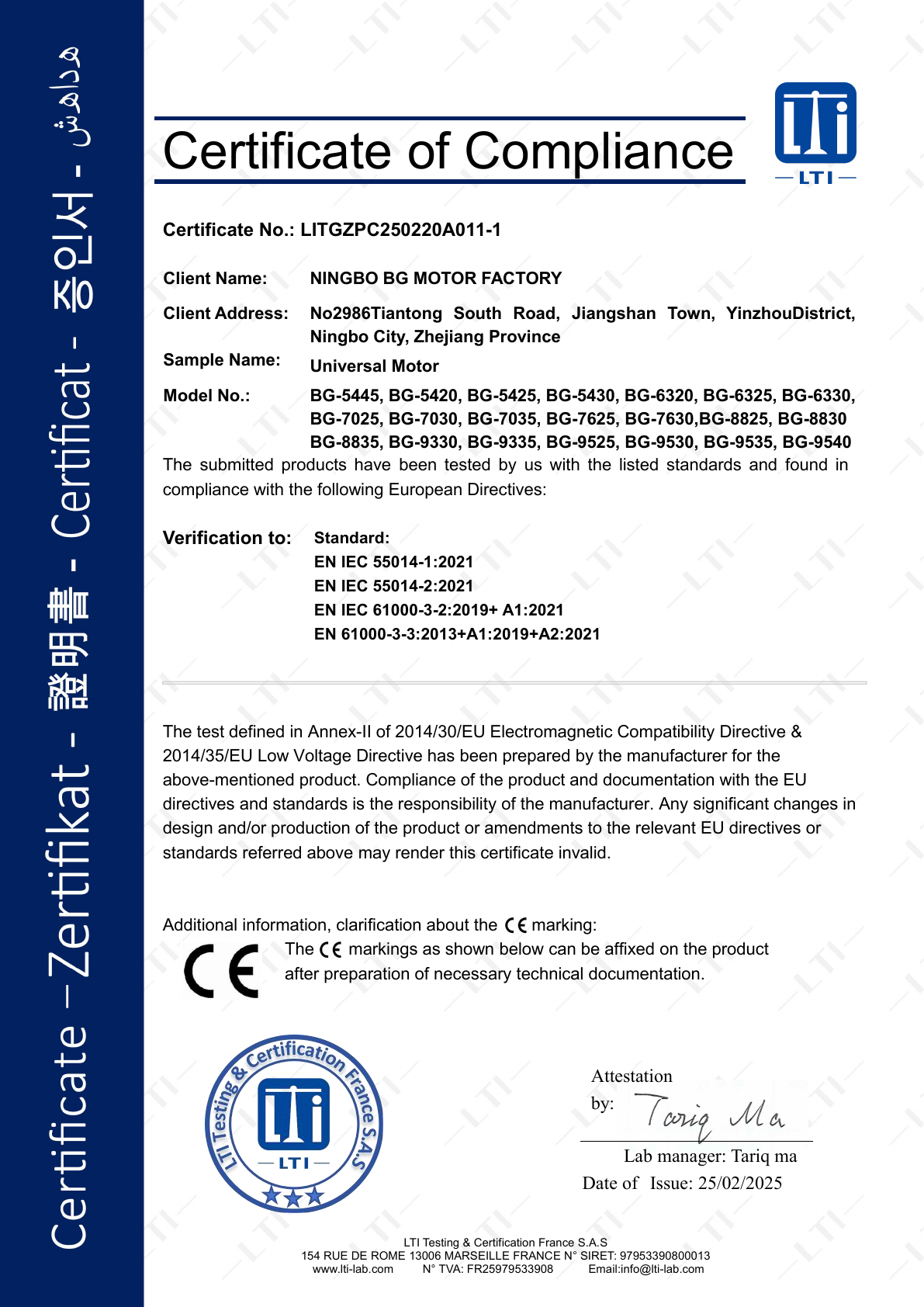
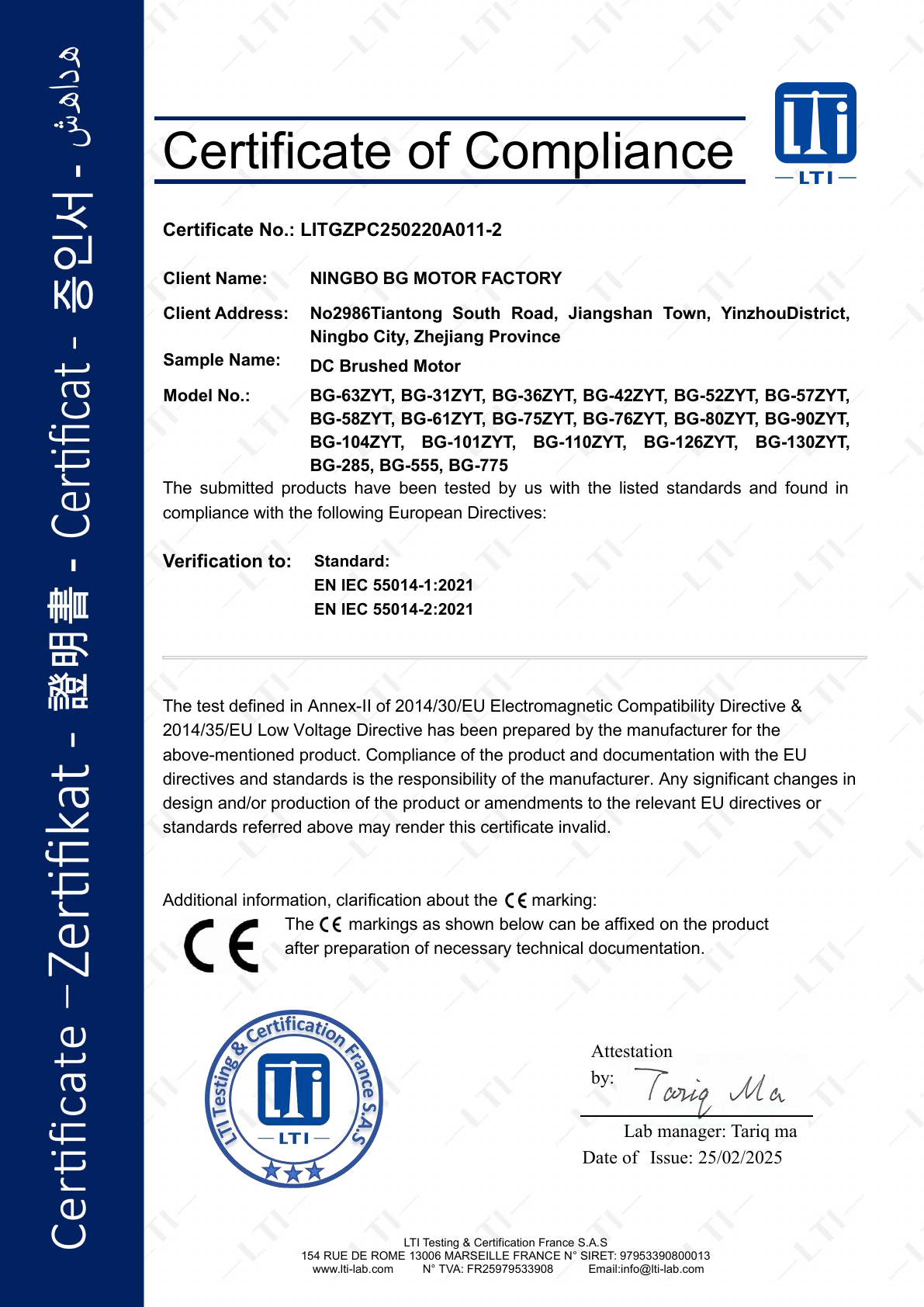
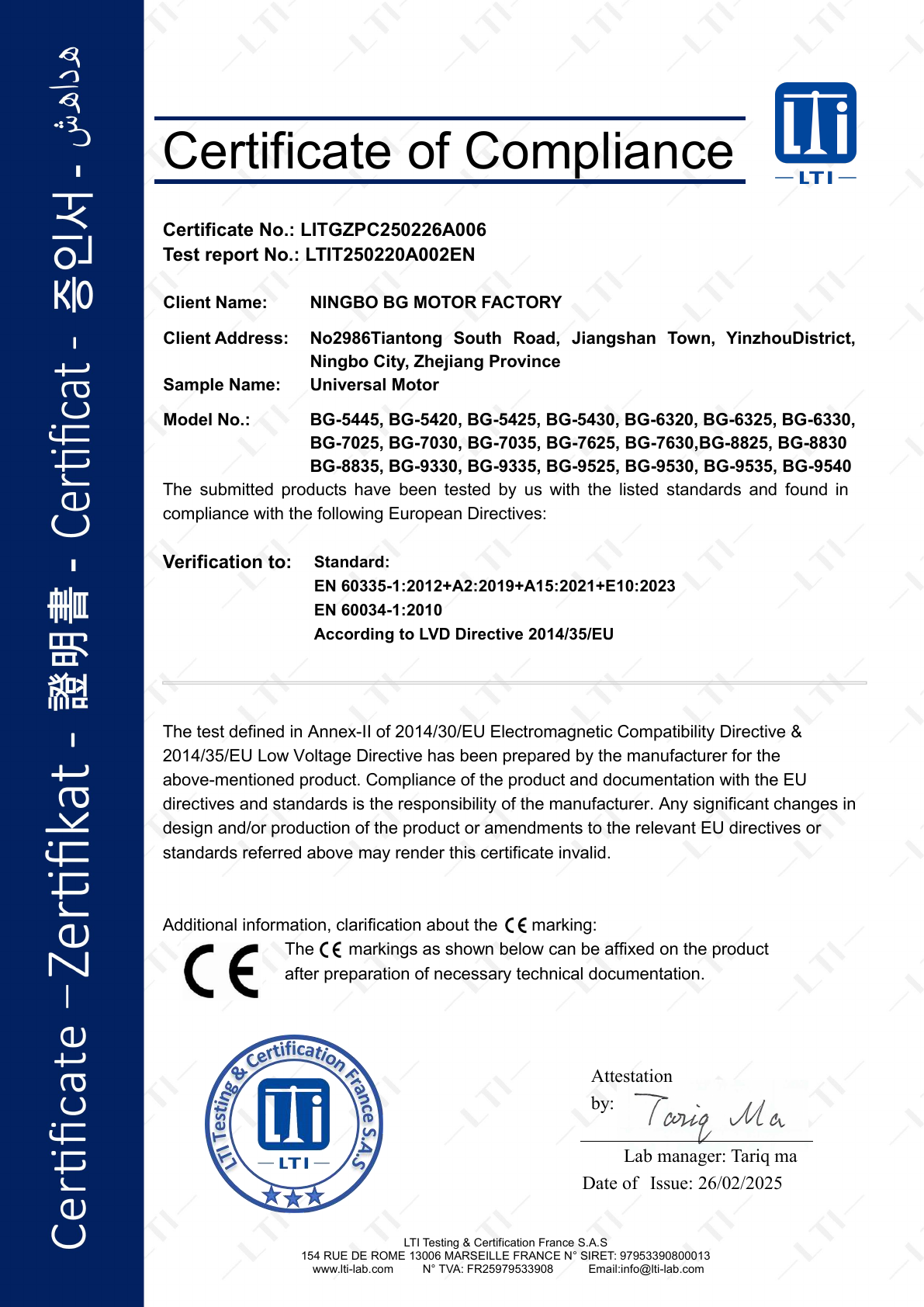
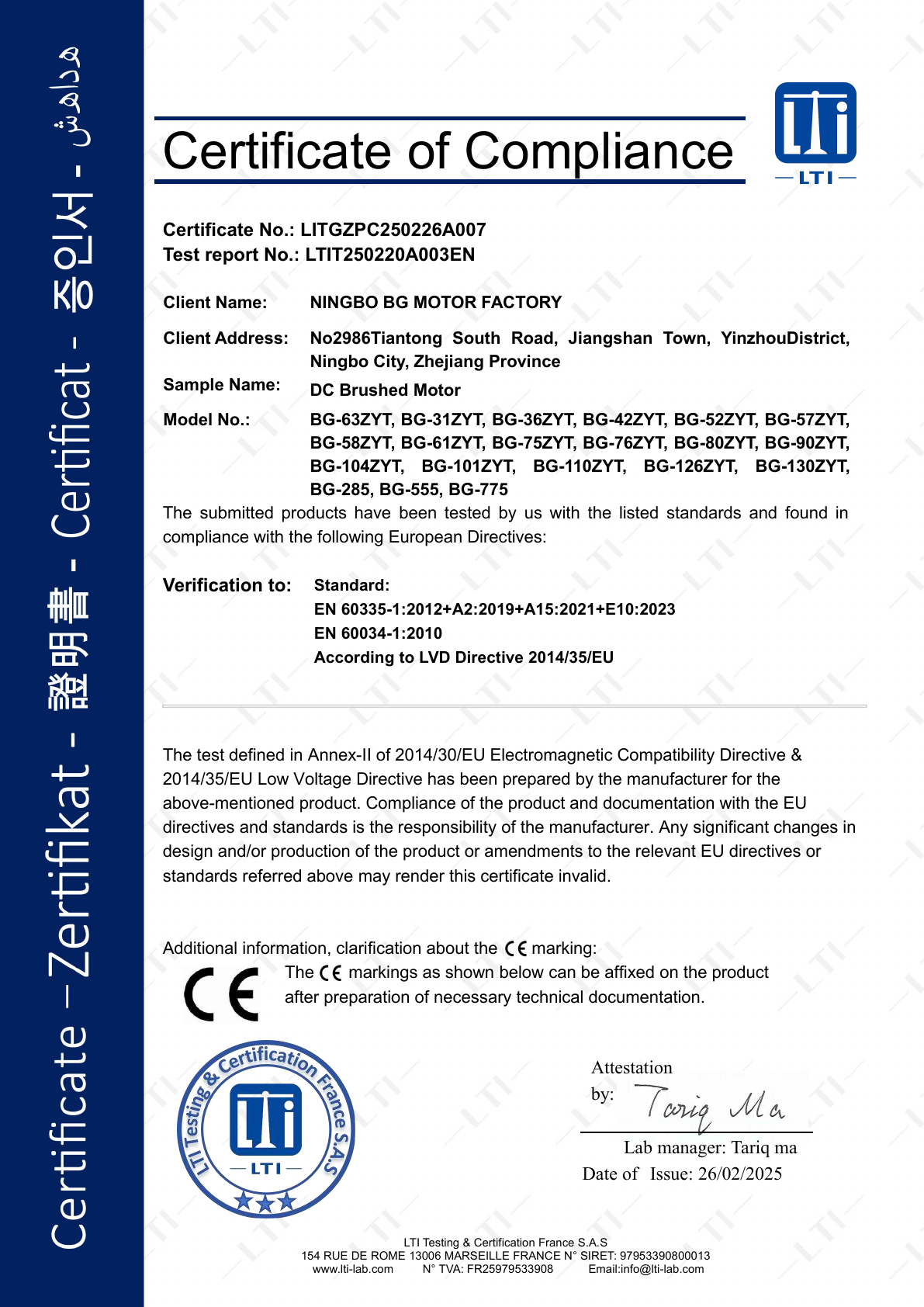
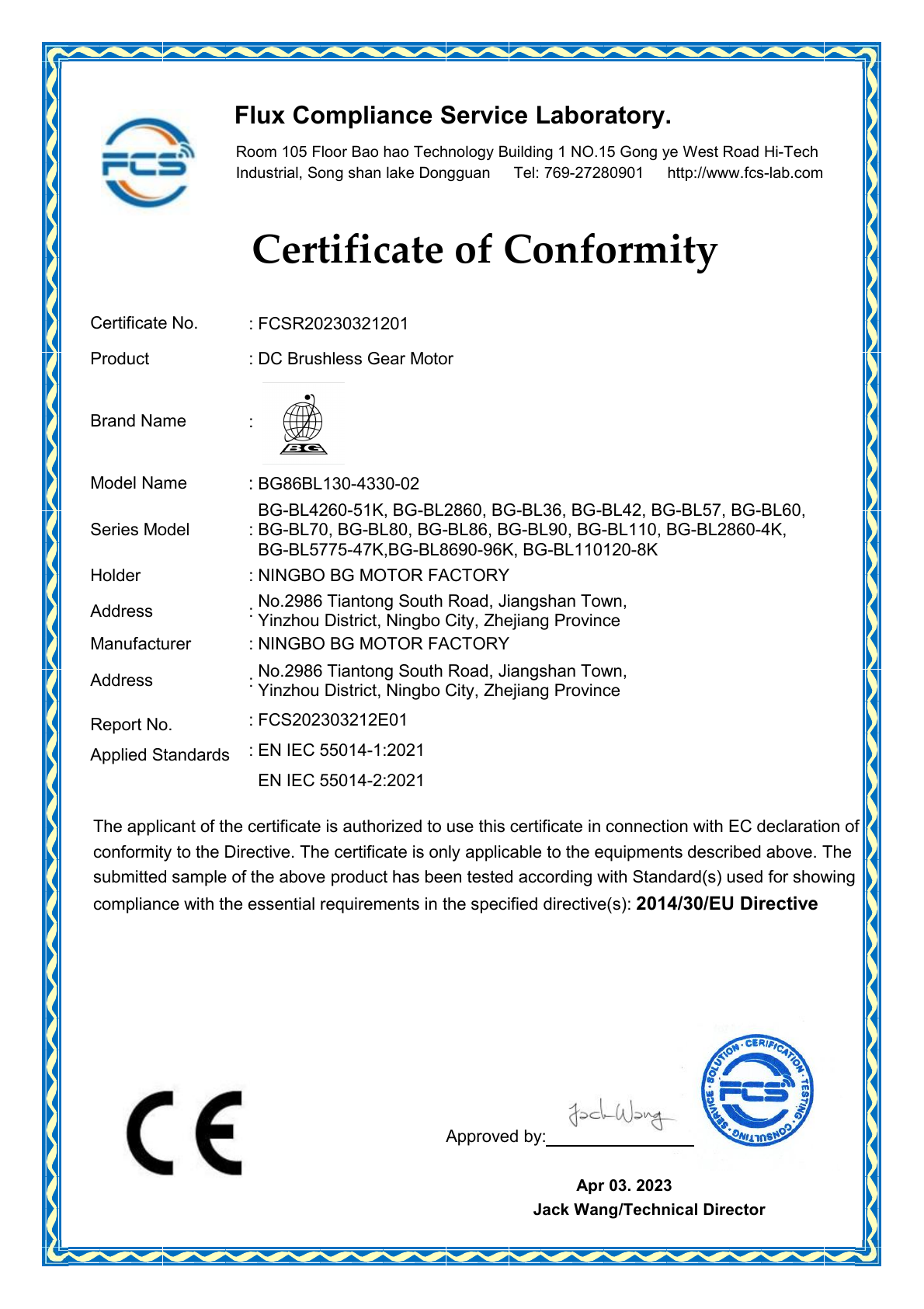
Certified Quality8 official BG and BGS compliance certificates
Customer applications · Custom motor matching
Case Studies
Explore how BOGONG SUN matches motor performance, weight, thermal control and mechanical details to real UAV projects. Each case can be expanded independently as the library grows.
Case 01FPV motor matching · 3115 platformA request for help that “cannot be flown”6S power · 10-inch propeller · 4.5 kg+ peak thrustView caseCollapse
The challenge
4.5 kg+ peak thrust on 6S, with total take-off weight kept below 4.5 kg.
At the beginning of this year, we received a request from a client involved in the development of a complete drone system. The client is working on a FPV modification kit for DJI Mavic series drones. The client has already completed the flight control system and the frame design, but they are facing difficulties in selecting the appropriate motor. They need an external rotor motor that can drive 10-inch propellers efficiently with 6S power supply, with a peak thrust of over 4.5 kg per motor, while keeping the total weight of the entire drone under 4.5 kg.
“I tried three motors with the 3115 specification available on the market. Some of them had sufficient torque, but they were too heavy – the whole device weighed over 100 grams. Other models had the correct weight, but after two minutes of operation, they became hot and their power output reduced due to thermal protection mechanisms. Do you have any alternatives from BGS?” – That’s exactly what the customer said to us.
6S Power10inch Propeller4.5 kg+ Peak Thrust
Our solution
Our solution: it is not a “recommendation”, but rather “customized matching”.
Instead of directly saying “We have 3115; try it out”, we did three things:
01Tension-weight-and heat dissipation analysis
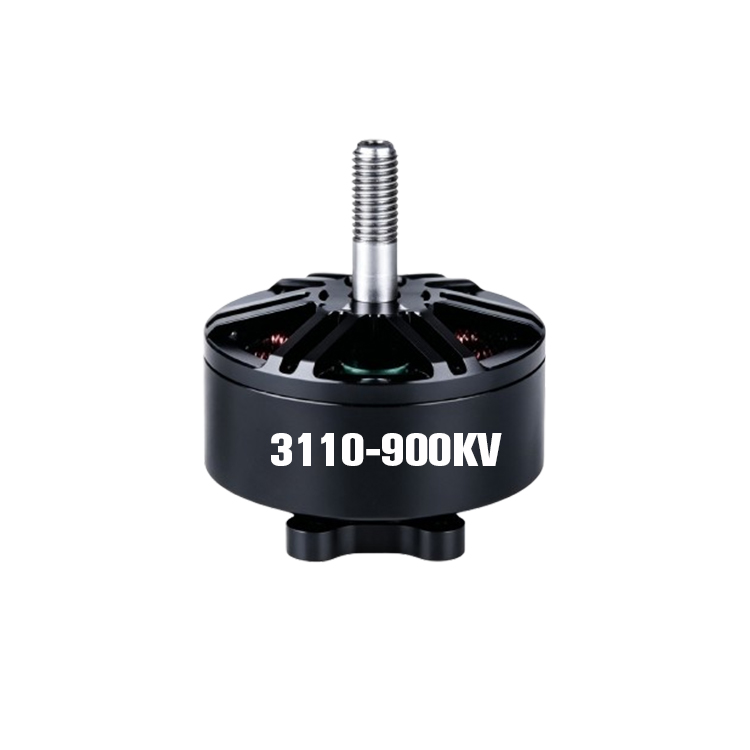
Based on the actual flight profile of the customer (40% hovering time, 50% cruising time, and 10% acceleration phase), we used our internal calculation tools to determine the temperature rise curve and the stability of tension output of the motor under real operating conditions. It was found that the standard 3115 900KV model falls exactly within the range required by the customer’s specifications; however, it is necessary to adjust the type of bearing grease and the wire length to fit the customer’s arm structure.
02Two sets of prototypes were sent out
We provided the customer with two sets of engineering prototypes – one with 900KV and another with 1050KV. Along with these prototypes, we also included custom mounting pads and extended shafts solutions tailored to the customer’s rack, allowing the customer to test them directly in use, thereby avoiding the hassle of making modifications themselves.
03“If it doesn’t work, we will change the solution”
We clearly told the customer that if the KV value obtained through actual testing is not satisfactory, we can adjust the winding parameters within two weeks and produce a new product – without any additional cost. This promise made the technical manager of the other party feel relieved on the spot: “Your willingness to help me try out different solutions is more important than the parameters themselves.”
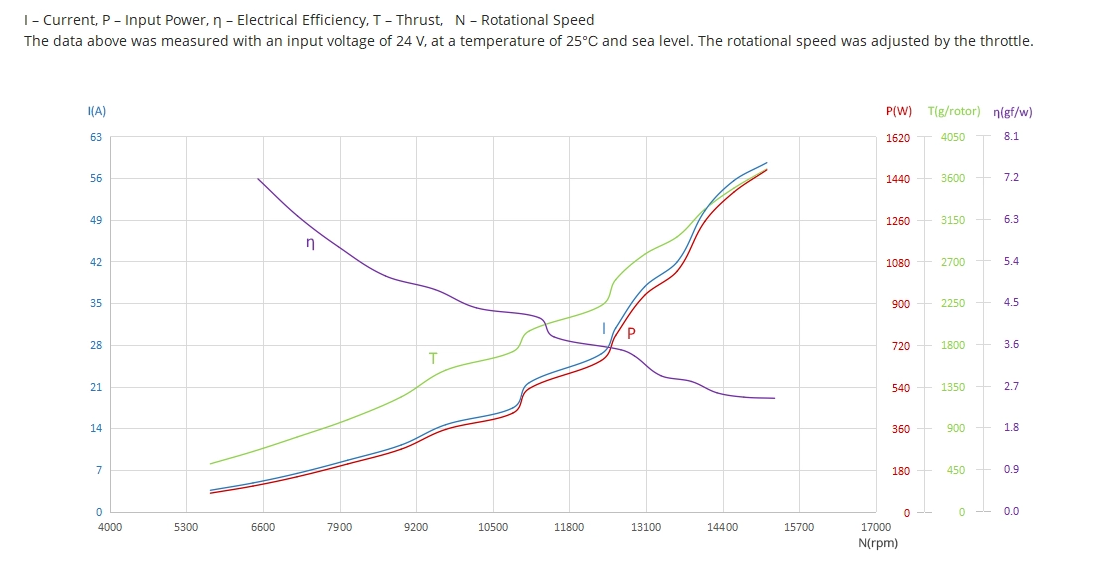
3115 performance validation
Current, input power, thrust and electrical efficiency measured at 24 V, 25°C and sea level.
Customer feedback“Your willingness to help me try out different solutions is more important than the parameters themselves.”
Support at every stage
Customer Service, From Production to Field Support
Practical, traceable support before production, during delivery and after the motor is installed in the customer’s aircraft.
01
Production Progress Updates
Regular synchronization of production progress: winding, assembly, aging testing, packaging; taking photos/videos at key stages: production in the workshop, appearance of finished products.
02
Outgoing Motor Inspection
Each motor undergoes basic inspections upon delivery: insulation, no-load current, smooth operation, and visual inspection.
03
Customized Laser Marking
Customized processing services: Laser marking of customer LOGO, model numbers, and serial numbers, enabling easy tracking of the entire device by customers.
04
Customized Packaging
Customized packaging solutions: The external rotor of the drone is sensitive to damage caused by impacts on the magnetic components; special shock-resistant packaging is provided. For large quantities, neutral packaging or packaging with the customer’s brand logo can be offered according to the customer’s requirements.
05
Installation & Commissioning
Installation and commissioning technical support: Provide guidance on blade matching, electronic controller parameter settings, throttle travel, and PID tuning suggestions; assist in resolving issues such as excessive heat generation, vibrations, abnormal current levels, and low efficiency.
06
Failure Analysis
Fault analysis service: When customers return defective motors, we conduct failure analysis to determine whether the issue lies with the motor itself, blade collisions, overcurrent damage, or problems with the overall cooling system. We provide analysis reports and improvement suggestions accordingly.
Start a conversation
Message Us. We Will Be In Touch Shortly.
Tell us about your UAV platform, target performance or sourcing plan. Our team will help you identify the right motor solution.
AddressLonghua District, Shenzhen, ChinaNingbo, Zhejiang, China