What if a drone could add more propulsion power without making its arms much longer? This is where the coaxial drone becomes interesting.
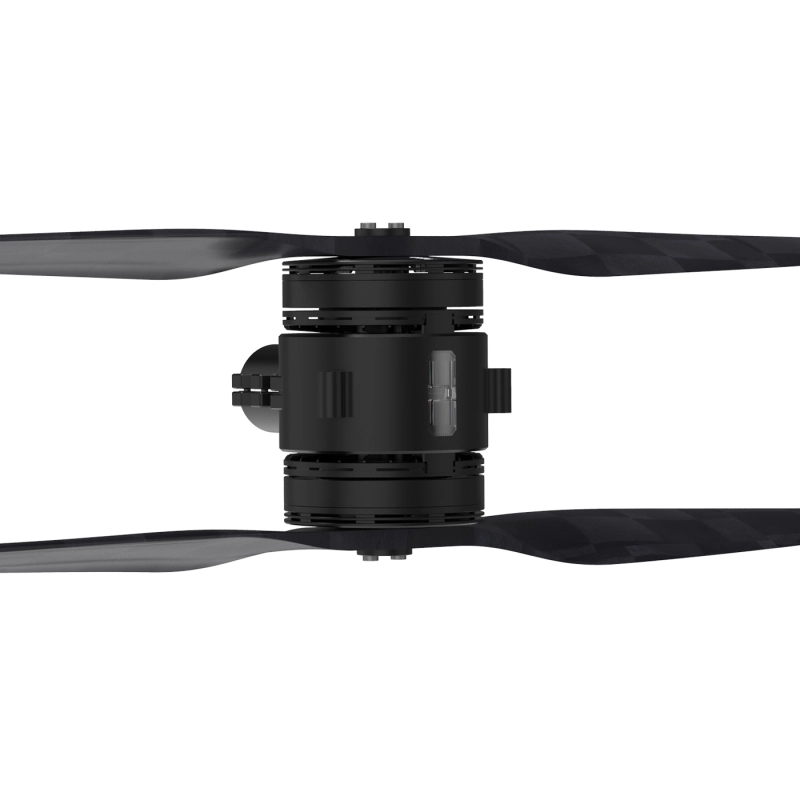
A coaxial drone uses two propellers mounted on the same vertical axis, with each propeller driven by an independent motor. The upper and lower propellers rotate in opposite directions, allowing them to generate lift while balancing the reaction torque of the propulsion system.
Unlike a conventional multirotor, which normally uses one motor and one propeller at each propulsion position, a coaxial design stacks two motor-propeller systems vertically. In simple terms:
1 coaxial propulsion unit = 2 motors + 2 propellers.
For example, a typical coaxial hexacopter has six propulsion positions. Each position contains two motors and two propellers, giving the aircraft a total of 12 motors and 12 propellers.
The real attraction of coaxial propulsion is not simply “more motors.” It is more propulsion power in a compact space. By stacking the rotors vertically, engineers can increase propulsion density without continuously expanding the drone's arm span. This makes the configuration particularly interesting for heavy-lift, cargo, industrial and compact UAV platforms.
There is, however, a trade-off. The lower propeller operates in the airflow generated by the upper propeller, creating aerodynamic interference. Therefore, a coaxial UAV requires careful matching of motors, propellers, ESCs and batteries to achieve the desired balance between thrust, efficiency and reliability.
At first glance, a coaxial drone may look similar to a conventional multirotor. Both rely on multiple electric motors and propellers to generate lift, but the real difference is how those propulsion systems are arranged.
A traditional multirotor normally uses one motor and one propeller per propulsion position. The motors are distributed around the airframe, giving each propeller relatively independent airflow. This simple layout makes the system easier to design, maintain and optimize for efficiency.
A coaxial drone takes a different approach. Instead of spreading all propulsion systems across a single plane, it stacks two motor-propeller systems vertically on the same axis. This allows more propulsion units to fit into a relatively compact airframe.
Feature | Traditional Multirotor | Coaxial Multirotor |
Motor arrangement | One motor per propeller | Two motors per coaxial position |
Propeller arrangement | Single layer | Upper and lower |
Airframe footprint | Larger | More compact |
Rotor interference | Relatively low | Higher |
Propulsion density | High | Very high |
System complexity | Lower | Higher |
The difference can be summarized simply: traditional multirotors prioritize simplicity and aerodynamic efficiency, while coaxial systems prioritize propulsion density and compact packaging.
This does not mean that a coaxial drone is automatically better. Its upper and lower propellers interact with each other's airflow, which can reduce aerodynamic efficiency compared with isolated rotors. The advantage appears when the aircraft needs more propulsion capability without significantly increasing its overall size.
That makes the choice less about “which drone is better” and more about which propulsion architecture fits the mission.
Why would engineers choose a more complicated propulsion system when a conventional multirotor already works well? The answer lies in one key word: density.
A coaxial configuration allows more propulsion power to be packaged into a relatively compact airframe. This creates several advantages for UAVs that need to carry more equipment, operate in restricted spaces or achieve higher power without continuously increasing their physical size.
Two motors and two propellers share the same vertical axis, allowing the drone to generate substantial propulsion from a relatively small footprint. This is particularly valuable for heavy-lift and industrial UAVs, where payload capacity is often limited by the overall size of the aircraft.
Traditional multirotors often need longer arms and greater spacing between propellers as their size increases. A coaxial layout reduces the need to spread every rotor across a single horizontal plane, making it easier to develop compact or foldable UAV platforms.
The additional propulsion units give engineers more freedom when designing the aircraft around different payloads and mission requirements. Cameras, sensors, cargo systems and other equipment can be integrated without endlessly increasing the drone's arm span.
With more independent motors, a coaxial platform can be designed with additional propulsion redundancy. However, real flight safety still depends on the ESC, power distribution, flight controller and failure-management system, so more motors alone do not automatically mean a safer drone.
Ultimately, the biggest advantage of coaxial propulsion is not simply producing more thrust. It is about putting more propulsion capability into less space, giving UAV designers another way to balance payload, size and performance.
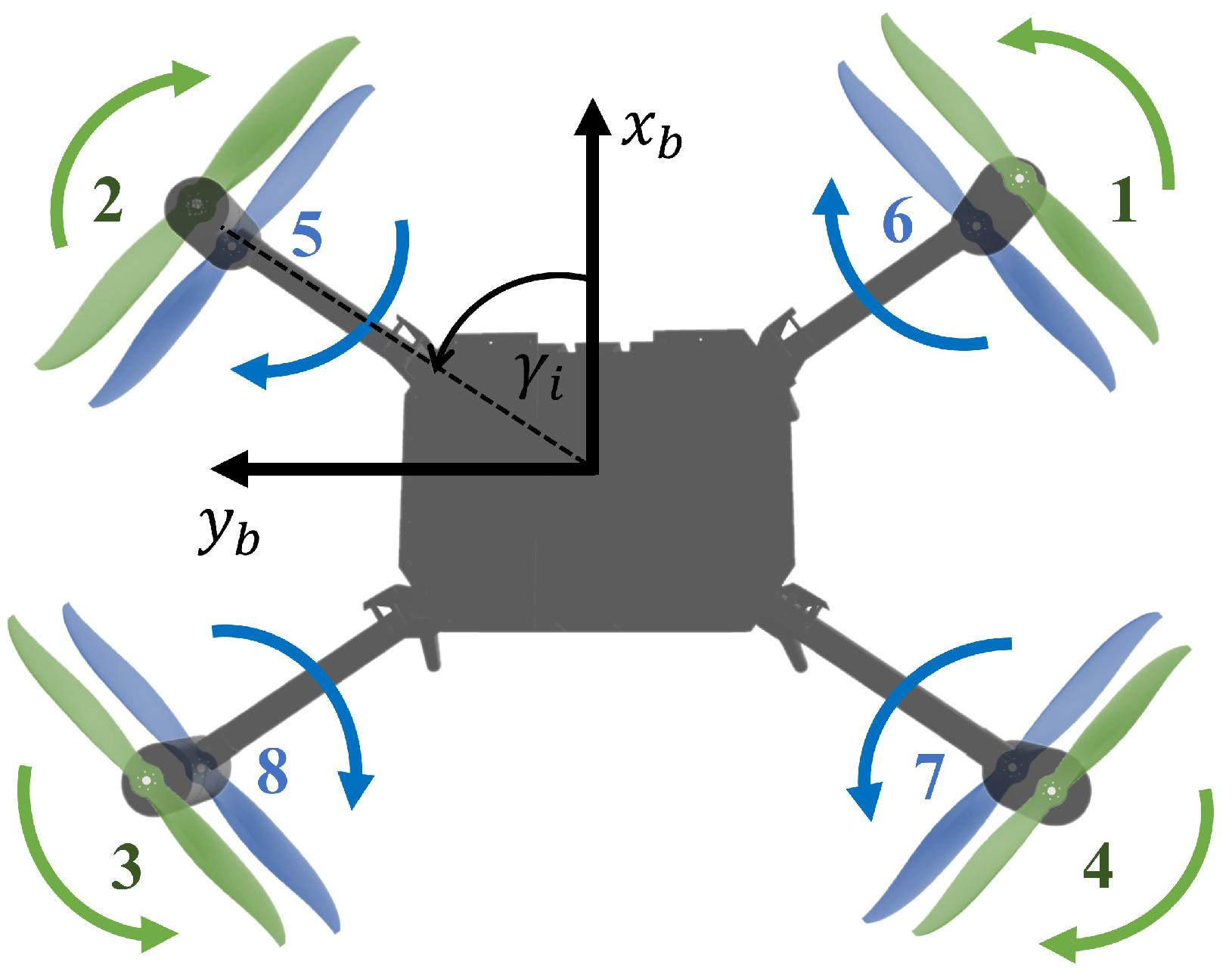
The idea behind a coaxial drone is simple: two motors share the same axis, but each motor drives its own propeller. The upper and lower propellers rotate in opposite directions, creating lift while cancelling much of the reaction torque generated by the rotating system.
Counter-Rotating Propellers
A typical coaxial propulsion unit consists of:
Upper Motor + Upper Propeller → CW
Lower Motor + Lower Propeller → CCW
The rotation direction can also be reversed, but the key principle remains the same: the upper and lower propellers must rotate in opposite directions. This counter-rotation helps prevent the aircraft from continuously spinning around its own axis.
For a coaxial hexacopter, six of these propulsion units work together, resulting in 12 motors and 12 propellers. The flight controller continuously adjusts motor speed to control total thrust, pitch, roll and yaw, just as it does on a conventional multirotor.
This is where coaxial propulsion becomes interesting.
The lower propeller operates inside the airflow produced by the upper propeller. This rotor-to-rotor aerodynamic interference can reduce the efficiency of the lower rotor, meaning that two motors do not simply produce twice the thrust of one isolated motor.
Therefore, coaxial propulsion requires careful matching of motor KV, torque, propeller diameter, pitch, battery voltage and ESC performance. The spacing between the upper and lower propellers also affects the overall aerodynamic performance.
In other words, a successful coaxial UAV is not simply a drone with “more motors.” It is a carefully balanced propulsion system in which two rotors work together rather than compete for the same airflow.
The best drone configuration depends less on the number of motors and more on what the aircraft needs to accomplish. A traditional multirotor and a coaxial UAV can both provide stable vertical flight, but their different propulsion layouts make them suitable for different missions.
Traditional multirotors are widely used for applications where relatively low system complexity and efficient rotor operation are important. With each motor driving an individual propeller, the airflow around each rotor is less affected by another rotor, making the propulsion system easier to optimize.
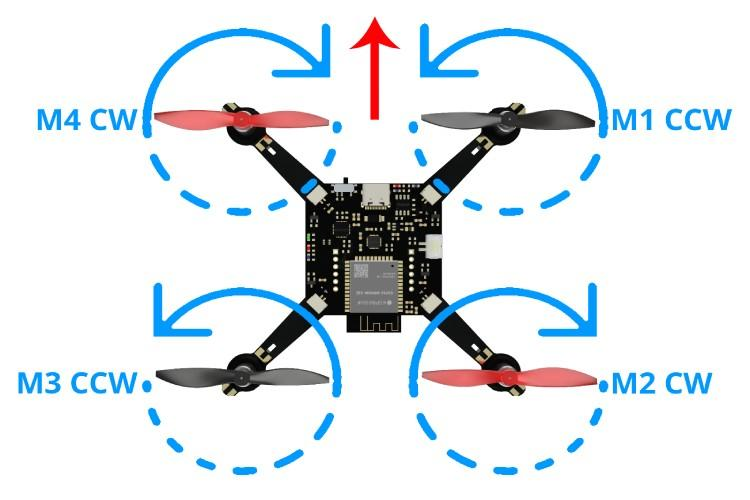
Typical applications include:
Aerial Photography & Videography
Mapping and Surveying
Agricultural Drones
Infrastructure Inspection
General Surveillance
For these missions, a conventional quadcopter, hexacopter or octocopter can often provide an excellent balance between efficiency, weight and cost.
Coaxial propulsion becomes more attractive when the aircraft needs to combine high thrust, significant payload and a compact airframe. By placing two propulsion systems on the same axis, designers can increase the number of motors and propellers without simply extending the drone's arms.
This makes coaxial configurations particularly suitable for:
Heavy-Lift UAVs
Cargo and Logistics Drones
Industrial UAVs
Compact Heavy-Payload Platforms
Special-Mission UAVs
Some VTOL and Hybrid Aircraft
For example, a cargo drone operating in a restricted landing area may benefit from the compact footprint of a coaxial configuration, while a heavy-lift industrial UAV can use the additional propulsion units to achieve a high power-to-weight ratio.
The key takeaway is simple: traditional multirotors are often the practical choice when efficiency and simplicity come first, while coaxial UAVs become increasingly attractive when payload, propulsion density and compactness become the priority.
Choosing a motor for a coaxial UAV is not simply a matter of finding the motor with the highest thrust. Because the upper and lower propellers operate close to each other, the propulsion system needs to be carefully matched for thrust, efficiency, torque and thermal performance.
First determine the UAV's payload and maximum takeoff weight (MTOW). Payload includes the cargo or equipment carried by the aircraft, while MTOW also includes the frame, motors, batteries, ESCs and other electronics.
A motor that looks powerful enough on a test bench may not be suitable once the complete aircraft weight and coaxial aerodynamic losses are considered.
After determining the aircraft weight, estimate the total thrust required from all propulsion units and maintain an appropriate thrust margin for takeoff, maneuvering and changing flight conditions.
For a coaxial UAV, remember that the thrust of two isolated motors cannot simply be added together. The interaction between the upper and lower propellers must be considered when evaluating the real propulsion performance.
Motor KV determines how the motor's rotational speed responds to voltage. A lower-KV motor is often paired with a larger propeller and higher voltage system, while a higher-KV motor is generally used with smaller propellers or lower-voltage applications.
The correct combination depends on:
Motor KV + Battery Voltage + Propeller Size + Propeller Pitch
Changing one of these parameters can significantly change motor current, RPM, thrust and efficiency.
Coaxial UAVs, especially heavy-lift platforms, often require large propellers and sustained power output. Therefore, torque and continuous operating capability can be just as important as peak thrust.
A good UAV motor should deliver the required performance without operating continuously at its thermal or electrical limits.
Finally, the motor should be evaluated together with the ESC, battery, propeller and flight controller. For coaxial systems, the upper and lower motors also need to operate reliably in opposite directions while maintaining consistent performance.
In short, the right coaxial motor is not necessarily the biggest motor. It is the motor that provides the right balance of thrust, efficiency, weight, torque and thermal performance for the complete UAV system.
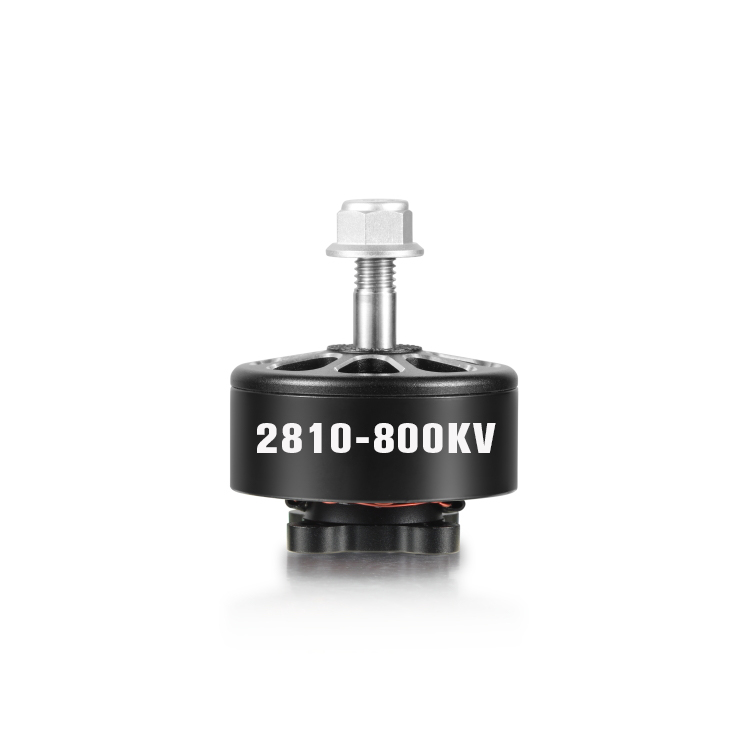
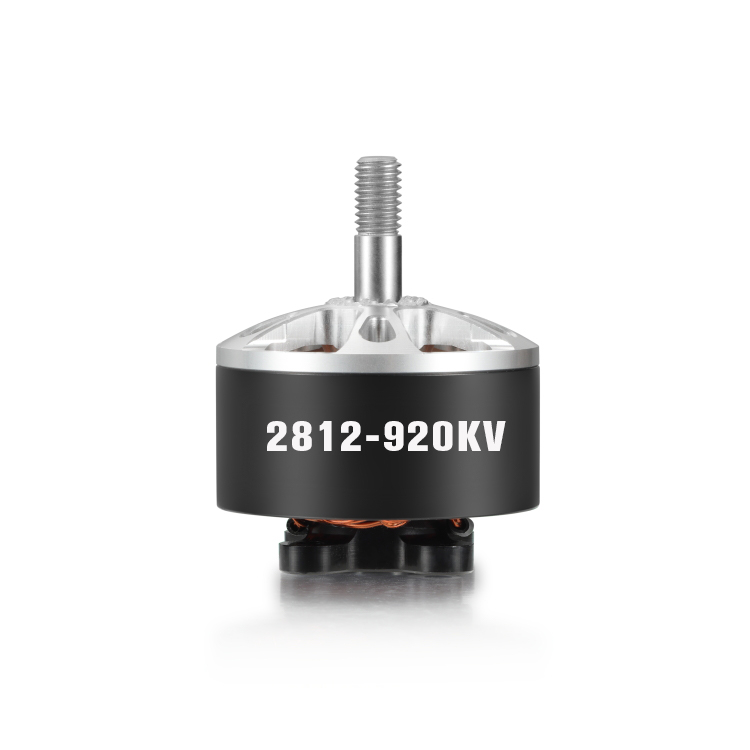
A coaxial UAV does not necessarily need the largest motor available. The right choice depends on the aircraft's total weight, payload, propeller size, battery voltage and required flight time. For this reason, BGS offers different motor sizes that can be matched to coaxial platforms ranging from compact UAVs to large heavy-lift aircraft.
Types of drones | UAV motors | ||
Compact Coaxial UAVs | 2810 & 2814 |
|
|
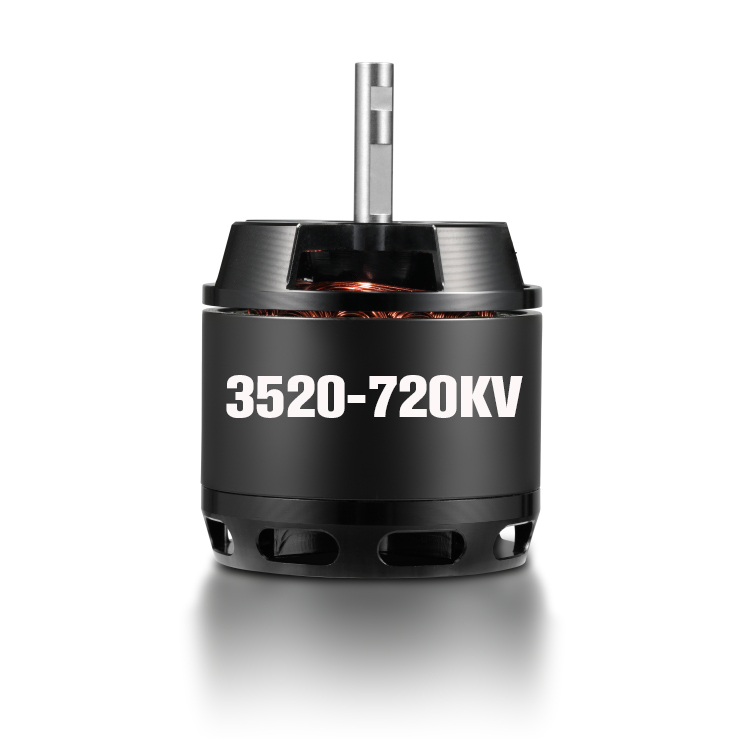
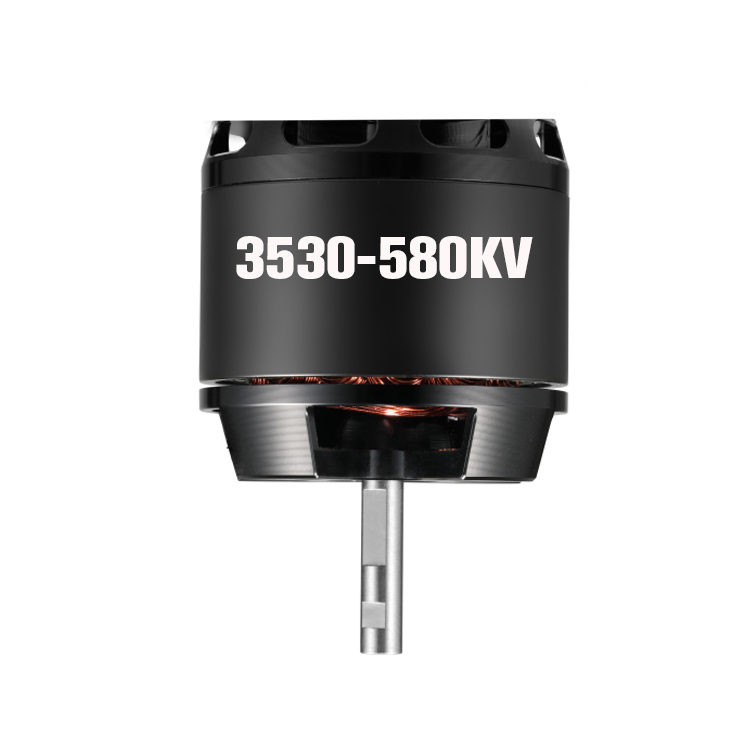
Medium-Power Coaxial UAVs | 3520 & 3530 |
|
|
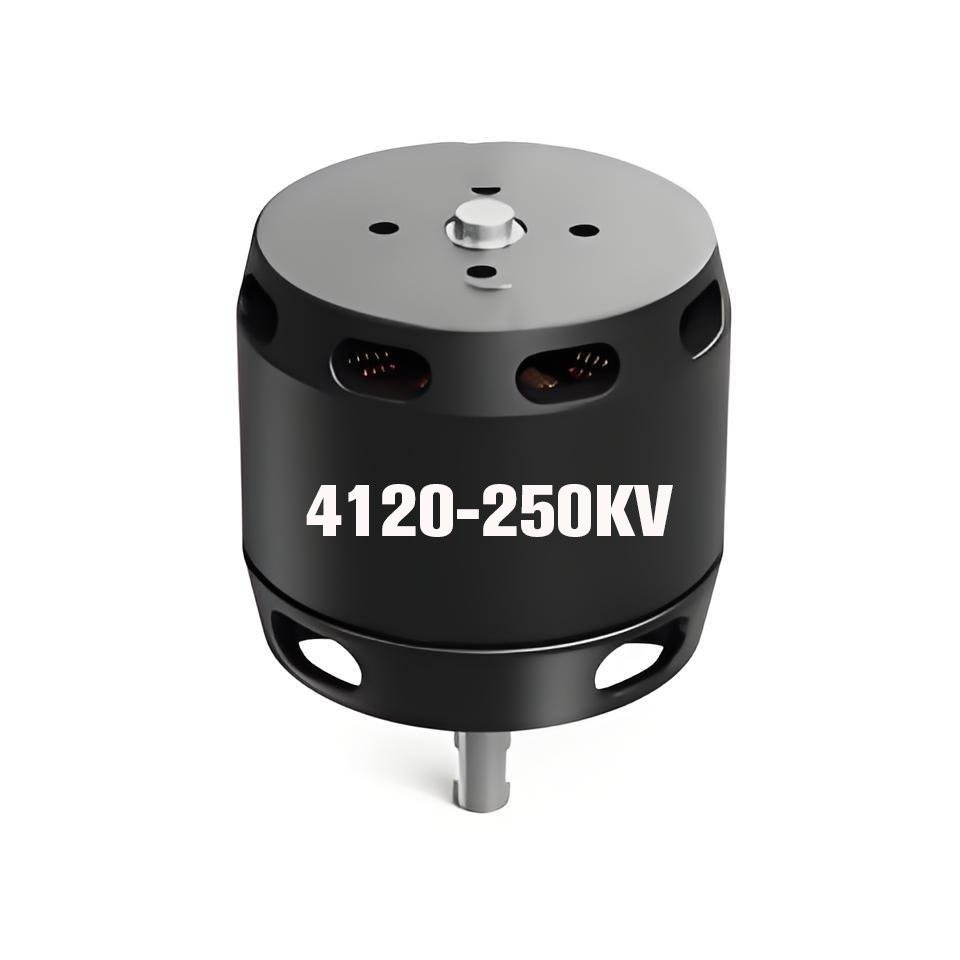
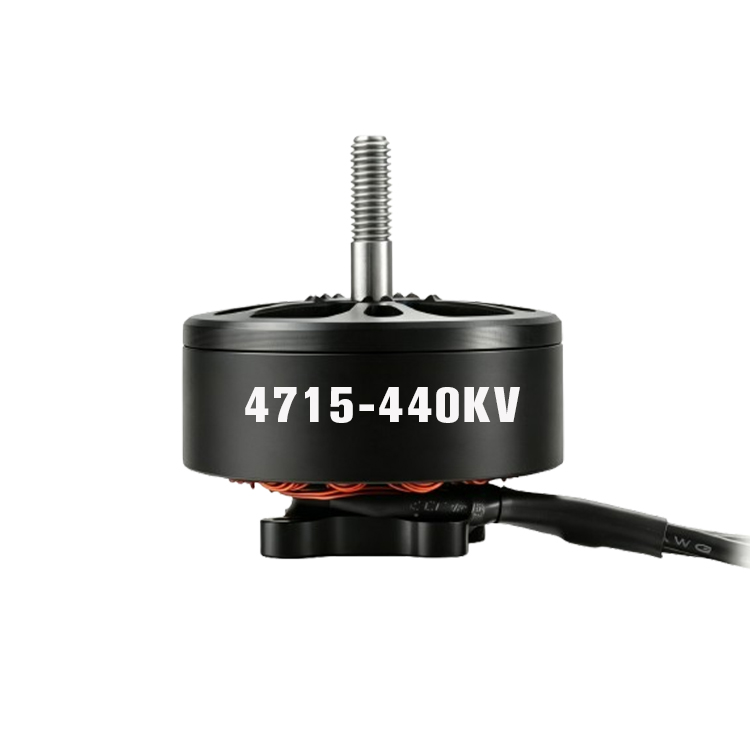
Heavy-Lift Coaxial UAVs | 4120 & 4715 |
|
|
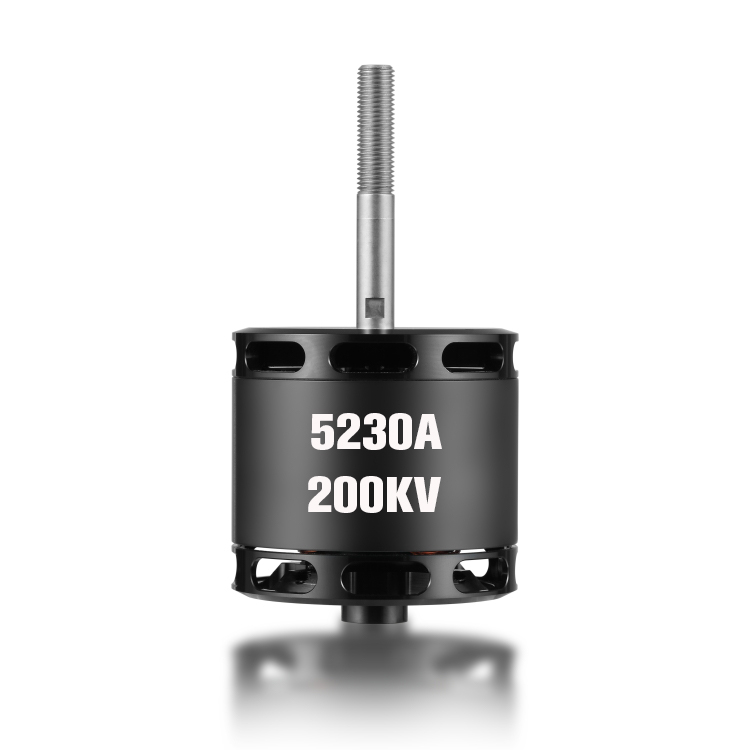
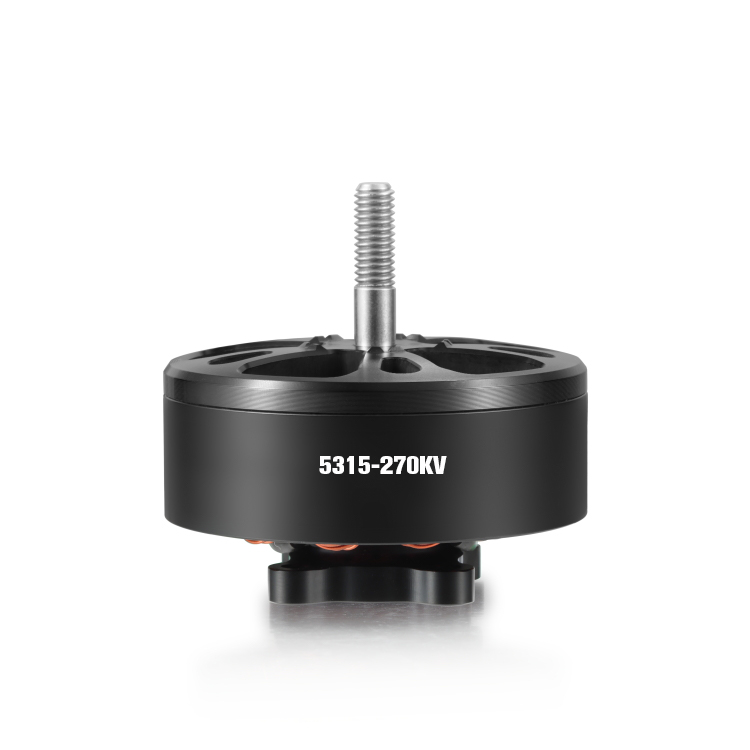
Large Heavy-Lift Platforms | 5230 & 5315 |
|
|
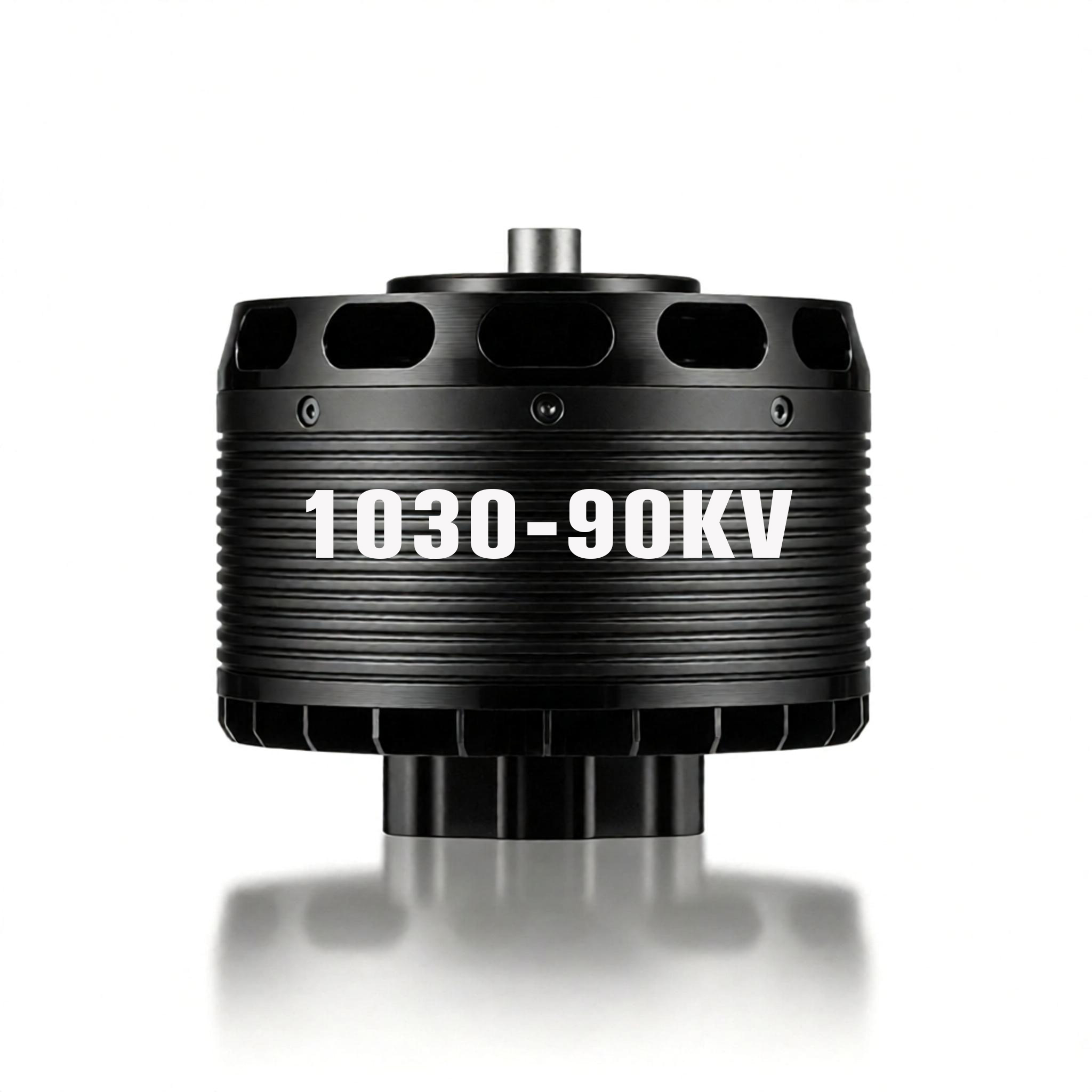
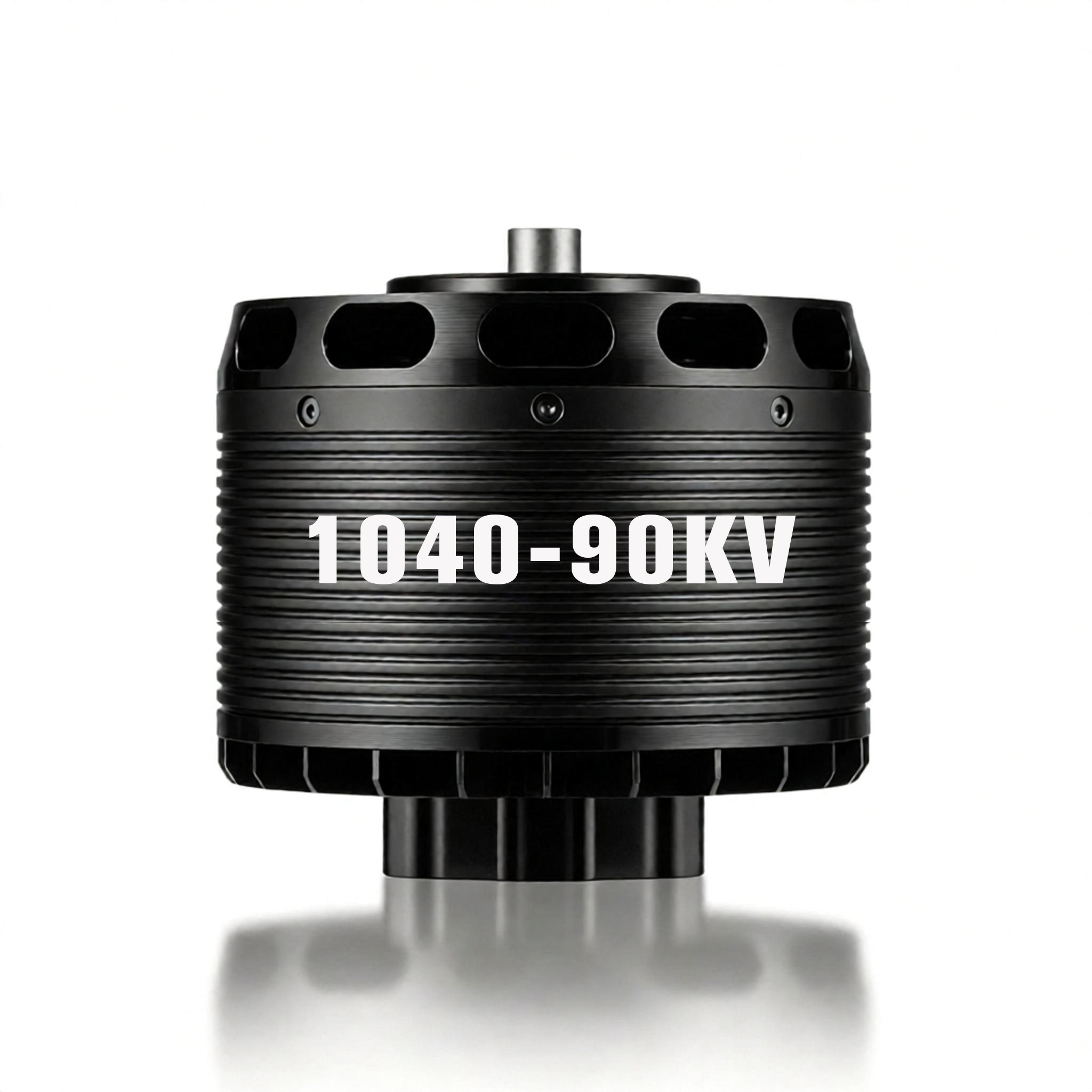
Very Large UAVs | 1030 & 1040 |
|
|
For smaller and lighter coaxial platforms, 2308 and 2814 motors can be considered when keeping motor weight and overall system size under control is important. The 2814 platform, for example, is available in multiple KV configurations and is designed around medium-sized UAV propulsion requirements.
These motors can be suitable for compact UAVs, long-range platforms and smaller coaxial configurations where efficiency and weight are important.
Moving into medium industrial UAVs, 3520 and 3530 motors provide a stronger balance between thrust, torque and system weight. They can be considered for agricultural, inspection, mapping and other multi-rotor platforms where the aircraft needs more sustained propulsion capability.
For coaxial designs, these motors become particularly interesting when the goal is to increase propulsion density without making the airframe significantly larger.
For larger industrial platforms, 4120 and 4715 motors offer a higher-power option for applications requiring greater thrust and load-handling capability.
The 4120 560KV, for example, is positioned by BGS for fixed-wing UAV applications, demonstrating the versatility of this motor class across different aircraft configurations.
For coaxial applications, the final KV and propeller combination should be selected according to battery voltage, propeller diameter, target thrust and continuous operating requirements rather than choosing KV independently.
When the UAV moves toward larger propellers and higher payload requirements, 5230 and 5315 motors provide another step up in propulsion size.
These motors can be considered for heavy-lift UAVs, industrial cargo platforms and large coaxial multirotors, where high torque and sustained power output become increasingly important.
At the upper end of the range, 1030 and 1040 motors should be considered as large-scale UAV propulsion solutions rather than ordinary drone motors.
They are intended for significantly larger aircraft and can be considered for UAV platforms carrying payloads in the tens-of-kilograms range, depending on the complete propulsion system, propeller configuration, battery and aircraft design.
The key point is that motor size should follow the aircraft's mission. A compact inspection drone may benefit from a lightweight 2308 or 2814, while a heavy-lift coaxial platform may require substantially larger motors such as 4120, 4125, 5230, 5330 or even 1030/1040.
There is no universal “best” coaxial motor. The best motor is the one that delivers the required thrust and efficiency while maintaining an appropriate balance between weight, thermal performance, battery consumption and reliability.
A coaxial drone uses two propellers mounted on the same vertical axis, with each propeller driven by an independent motor. The two propellers normally rotate in opposite directions to generate lift and balance reaction torque.
It depends on the configuration. For example, a typical coaxial hexacopter has 6 coaxial propulsion positions, 12 motors and 12 propellers. Each propulsion position contains two independent motor-propeller systems.
No. The upper and lower propellers in a coaxial propulsion unit rotate in opposite directions, such as CW and CCW. This counter-rotation helps balance the reaction torque generated by the rotors.
Not necessarily. A coaxial system can provide higher propulsion density, but the upper and lower propellers also create aerodynamic interference. Therefore, total thrust cannot simply be calculated as twice the thrust of one isolated motor.
A coaxial configuration is not automatically more efficient. The lower propeller operates in the airflow generated by the upper rotor, which can reduce aerodynamic efficiency. Its main advantage is often compactness and high power density, rather than maximum rotor efficiency.
Motor selection depends on the UAV's total weight, payload, battery voltage, propeller size and required thrust. BGS offers different motor sizes, including 2308, 2814, 3520, 3530, 4120, 4125, 5230, 5330, 1030 and 1040, allowing different propulsion requirements to be matched with appropriate motor configurations.
Yes. The same motor model can generally be used for both positions, while the ESC controls the motor rotation direction. The upper and lower motors must be correctly matched with the corresponding CW and CCW propellers.
Yes. Their compact propulsion layout and high propulsion density make coaxial configurations attractive for heavy-lift, cargo and industrial UAVs. However, the complete propulsion system must be carefully matched to the aircraft's payload and operating conditions.
Neither configuration is universally better. Traditional multirotors can offer simpler structures and lower rotor interference, while coaxial UAVs can provide greater propulsion density within a compact airframe. The right choice depends on the aircraft's mission, payload and size limitations.
Well, that wraps up my explanation of coaxial drones and their motors for this post. If you have any questions or requests, please feel free to contact us at any time. Have a happy and enjoyable day!
 what's app