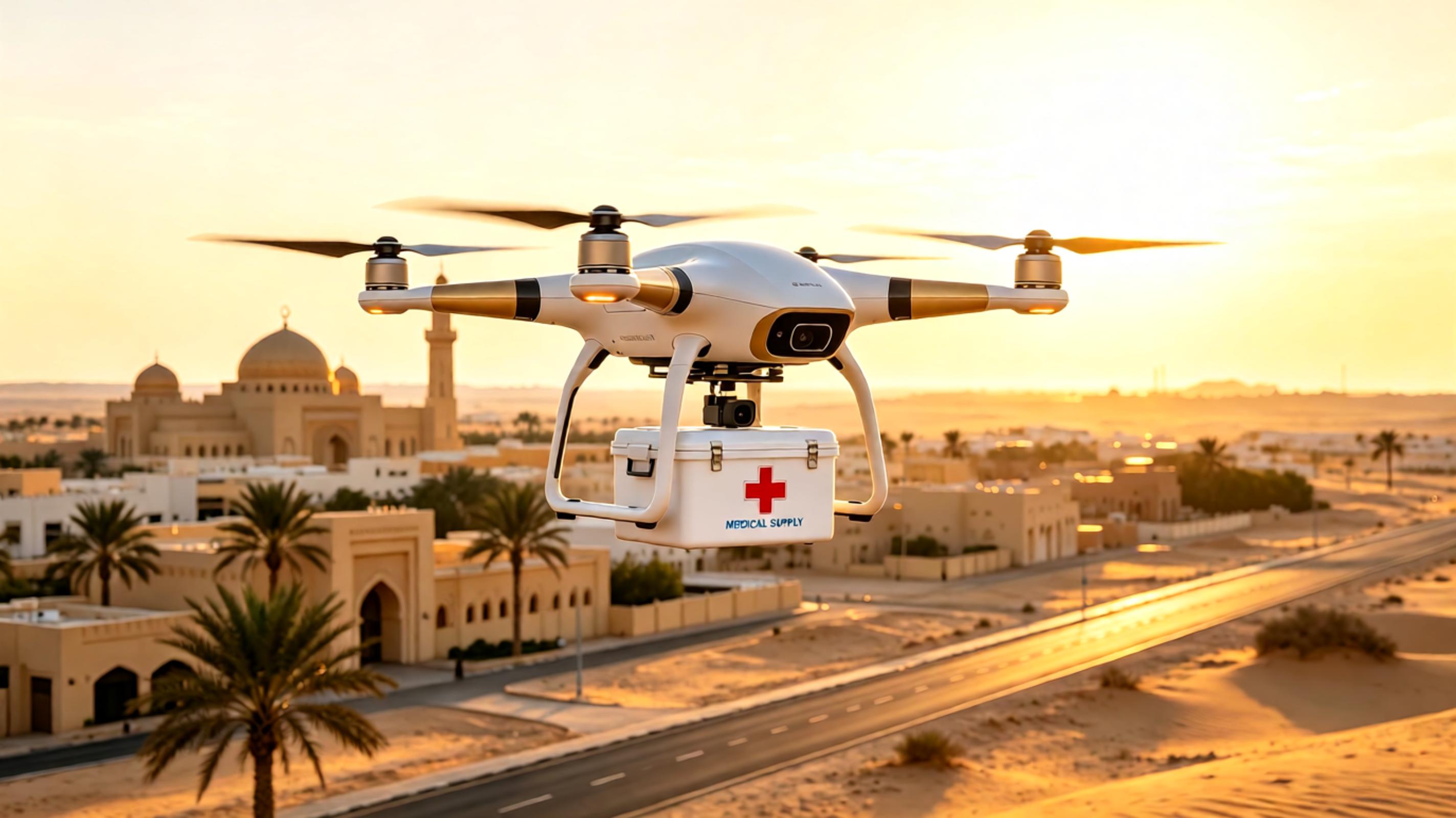
The Middle East is rapidly becoming one of the world's most promising markets for logistics drones. Governments across the UAE, Saudi Arabia, Qatar, Oman, and neighboring countries are accelerating investments in smart healthcare, autonomous transportation, and digital infrastructure as part of their long-term economic diversification strategies. These initiatives are creating strong demand for UAV platforms capable of transporting medical supplies, industrial equipment, and commercial goods safely and efficiently.
While batteries, flight controllers, and navigation systems receive significant attention, the drone motor remains the component that directly determines payload capability, flight endurance, efficiency, and long-term operational reliability. Choosing the correct propulsion system is therefore one of the most important engineering decisions for any logistics UAV manufacturer.
The Middle East presents several unique conditions that make drone logistics especially valuable. Large desert areas, scattered communities, expanding industrial zones, and ambitious smart city projects create transportation challenges that traditional vehicles cannot always solve efficiently. Logistics UAVs provide a faster and more flexible alternative while reducing labor costs and improving delivery efficiency.
Healthcare has become one of the primary application sectors. Governments are establishing intelligent medical networks capable of transporting medicines, vaccines, blood samples, emergency equipment, and laboratory specimens between hospitals and remote clinics within minutes rather than hours. In emergency situations, every minute saved can directly improve patient outcomes.
At the same time, commercial logistics is expanding beyond healthcare. Cargo drones are increasingly being deployed for last-mile parcel delivery, warehouse-to-warehouse transportation, oil and gas facility supply, infrastructure inspection, emergency rescue, and autonomous delivery within industrial parks. As these applications mature, the market is shifting from small consumer UAVs toward medium- and heavy-lift commercial platforms with substantially higher payload requirements.
Increasing payload capacity is only part of the engineering challenge. Every additional kilogram requires more thrust, higher current, and greater continuous power output. If the propulsion system is not properly matched, flight efficiency drops rapidly, motor temperatures rise, and overall system reliability decreases.
For manufacturers designing logistics drones, the objective is not simply maximizing thrust. Instead, the ideal propulsion system should deliver:
High thrust with excellent efficiency
Stable continuous output during long-duration missions
Low operating temperature in hot climates
High reliability for daily commercial operation
Long service life with minimal maintenance
These requirements are particularly important in Middle Eastern environments, where summer temperatures frequently exceed 45°C. Motors operating under such conditions must maintain stable electromagnetic performance while dissipating heat effectively to avoid thermal degradation.
Rather than selecting the largest motor available, UAV manufacturers typically match motor size to the intended payload and flight profile.
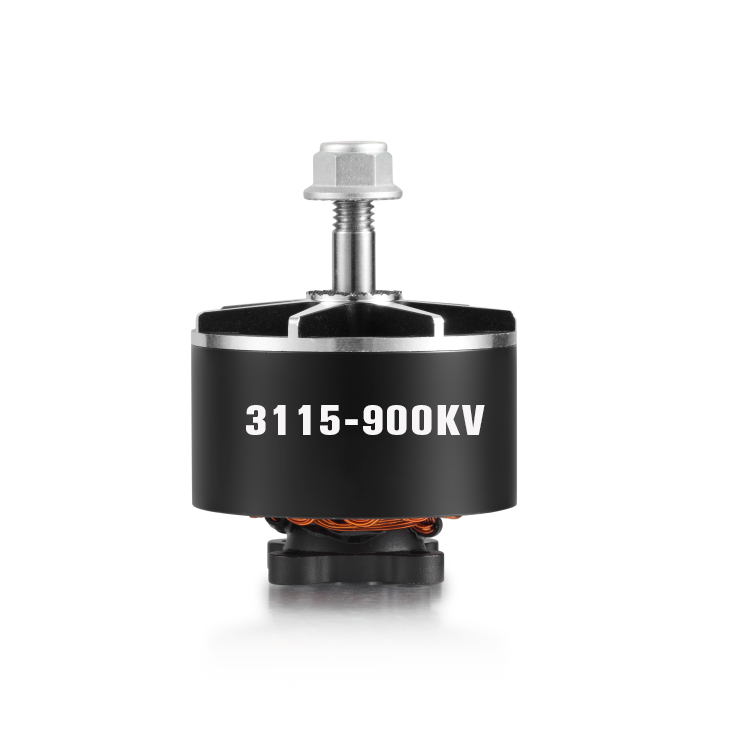
For lightweight cargo platforms, the 3115 outrunner motor has become one of the industry's preferred choices. Its compact size, lightweight construction, and high efficiency allow drones to achieve longer endurance while maintaining sufficient thrust for medical transportation and light commercial delivery.
Typical applications include:
Medical supply delivery
Blood sample transportation
Emergency medicine transport
Last-mile logistics
Autonomous campus delivery
The 3115 is especially suitable for 10–13 inch propellers and medium-voltage battery systems, providing an excellent balance between flight time and payload capability.
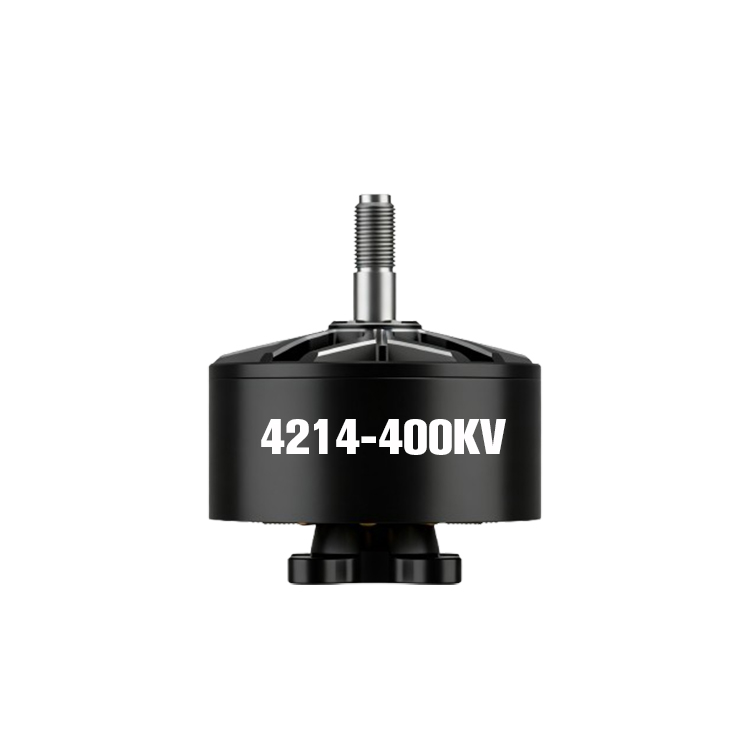
As payload requirements increase, propulsion systems must generate significantly more continuous thrust without excessive heat buildup. The 4214 motor offers greater torque and stronger sustained power output, making it ideal for medium-duty logistics UAVs operating in challenging environments.
Compared with smaller motors, the 4214 supports larger propellers, improves hovering efficiency, and provides better stability during fully loaded flights. It is commonly selected for commercial logistics platforms that perform multiple daily delivery missions.
Typical applications include:
Regional logistics
Industrial warehouse transportation
Offshore platform supply
Infrastructure inspection
Utility maintenance
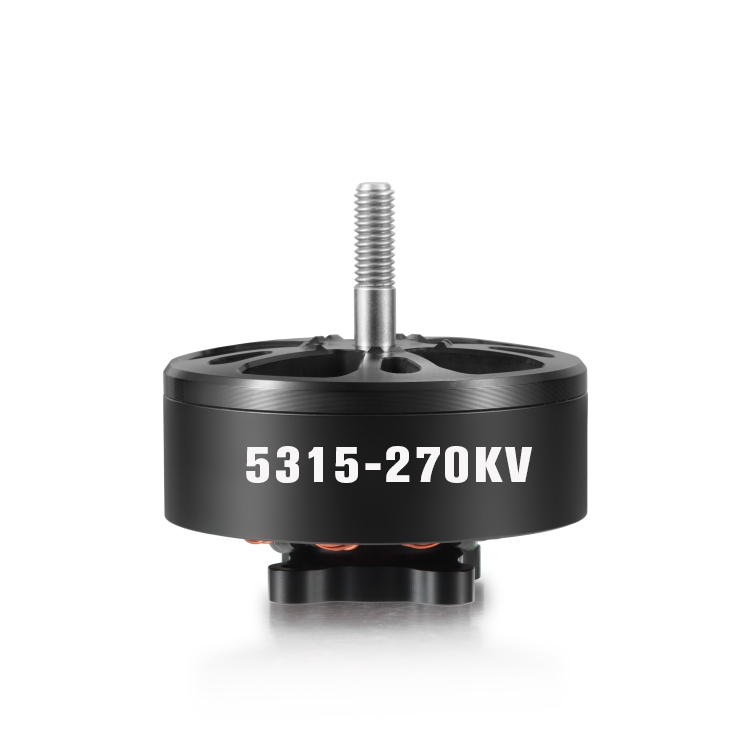
Heavy-lift logistics UAVs require propulsion systems capable of producing substantial torque while maintaining high efficiency during continuous operation. For this class of aircraft, the 5315 outrunner motor has become a popular solution among professional UAV manufacturers.
Its larger stator volume enables higher power density and greater continuous output, allowing the aircraft to lift heavier payloads while maintaining stable flight characteristics. When paired with larger propellers and high-voltage battery systems, the 5315 delivers the thrust necessary for demanding industrial missions.
Typical applications include:
Heavy medical logistics
Emergency disaster response
Industrial cargo transportation
Border patrol support
Oil and gas equipment delivery
As logistics drones continue to evolve toward larger commercial platforms, propulsion requirements increase dramatically. Aircraft carrying more than 30 kg often transition to larger motor families such as 6218, 7015, or fully customized propulsion systems designed for heavy industrial operations.
These motors offer:
Higher continuous power output
Greater torque reserves
Larger propeller compatibility
Improved cooling capability
Enhanced operational reliability under high loads
For professional drone manufacturers, customized motor KV values, winding configurations, and thermal optimization become increasingly important to maximize overall system efficiency.
Selecting the appropriate motor involves much more than comparing KV values. Manufacturers should evaluate the complete propulsion system, including propeller size, battery voltage, ESC compatibility, environmental conditions, and mission profile.
Important considerations include:
Continuous thrust capability
Maximum efficiency point
Operating temperature
Power-to-weight ratio
Propeller compatibility
Cooling performance
Bearing durability
Waterproof and dustproof capability
High-temperature resistance
Service life under continuous operation
A well-designed propulsion system not only improves flight performance but also reduces maintenance costs and increases overall return on investment for commercial drone operators.
As Middle Eastern governments accelerate investment in autonomous logistics, drone delivery is expected to become a standard component of healthcare, industrial transportation, and smart city infrastructure. The next generation of logistics UAVs will demand propulsion systems that are lighter, more efficient, more reliable, and capable of sustaining higher power output over extended periods.
For motor manufacturers, innovation will focus on improving magnetic circuit design, enhancing thermal management, reducing overall weight, and increasing power density. Customized motor solutions tailored to specific payload classes and environmental conditions will become a key competitive advantage.
Whether supporting a 10 kg medical delivery drone, a 20 kg industrial logistics platform, or a 30 kg heavy cargo UAV, selecting the right motor remains the foundation for safe, efficient, and reliable flight.
 what's app