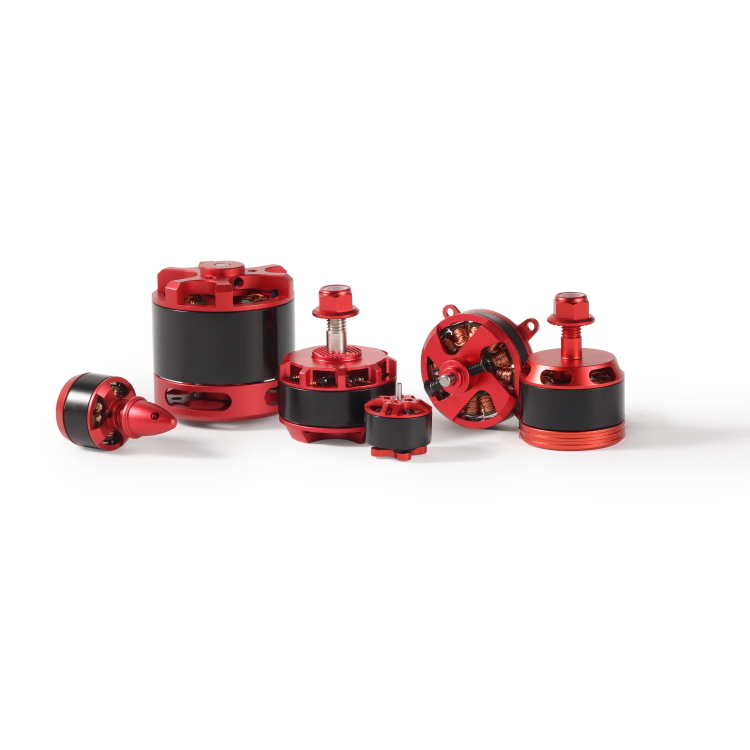
Choosing the best FPV motor for racing drones is far more than simply picking the most powerful or highest KV motor available. It requires balancing speed, responsiveness, torque, and system compatibility to ensure optimal performance under the highly dynamic conditions of FPV racing. Racing drones are designed for rapid acceleration, precise maneuvering, and high-speed stability, which places unique demands on the motors driving them.
At a glance, motors may appear similar, but their real-world behavior differs dramatically once the drone is in motion. The right motor can transformresponsiveness and control, while the wrong motor can limit the entire setup.
FPV racing drones operate in aggressive, short-duration bursts where speed and agility dominate over efficiency. Pilots demand motors capable of rapid RPM changes to respond to throttle inputs instantaneously, sustain tight turns, and maintain stability under constant load fluctuations. Unlike long-range or cinematic drones, which prioritize endurance and smooth flight, racing drones are tested in environments that challenge both the motor’s responsiveness and reliability.
Key factors for racing motors:
Fast acceleration and deceleration
Consistent performance under fluctuating loads
High throttle responsiveness
Short but intense operational duration
The KV rating defines how many revolutions per minute a motor completes per volt applied and is central to performance evaluation.
For racing drones:
4S batteries: 2300–2700KV
6S batteries: 1700–2100KV
High KV motors enable faster RPM acceleration and sharper throttle response, which is critical for competitive racing. Lower KV motors provide smoother control, better efficiency, and reduced thermal stress, but sacrifice the instant responsiveness needed for aggressive maneuvers.
Engineering trade-off:
High KV → rapid response, higher current, more heat
Low KV → smoother control, lower heat, reduced acceleration
Think of it this way: high KV is like a race car built for instant acceleration, while low KV is a touring car designed for endurance.
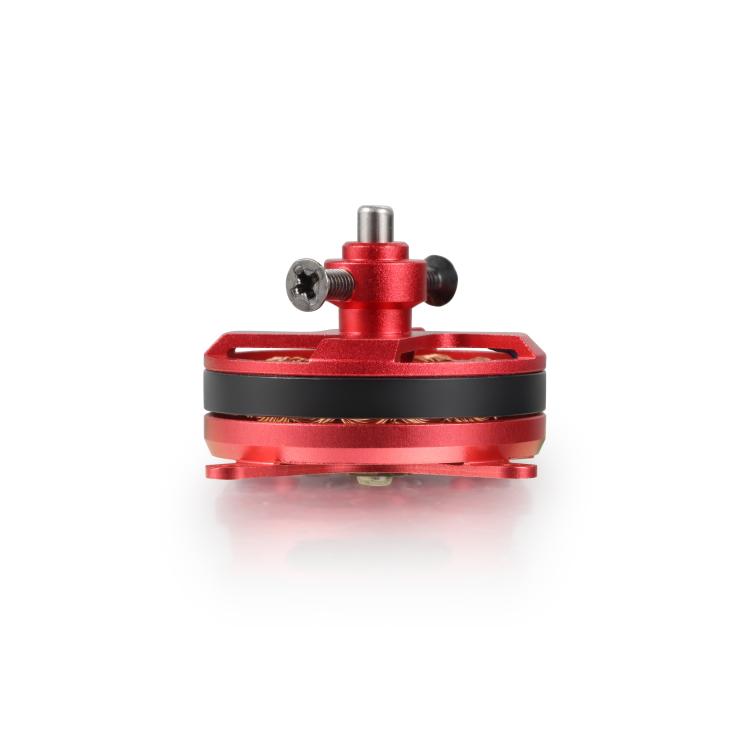
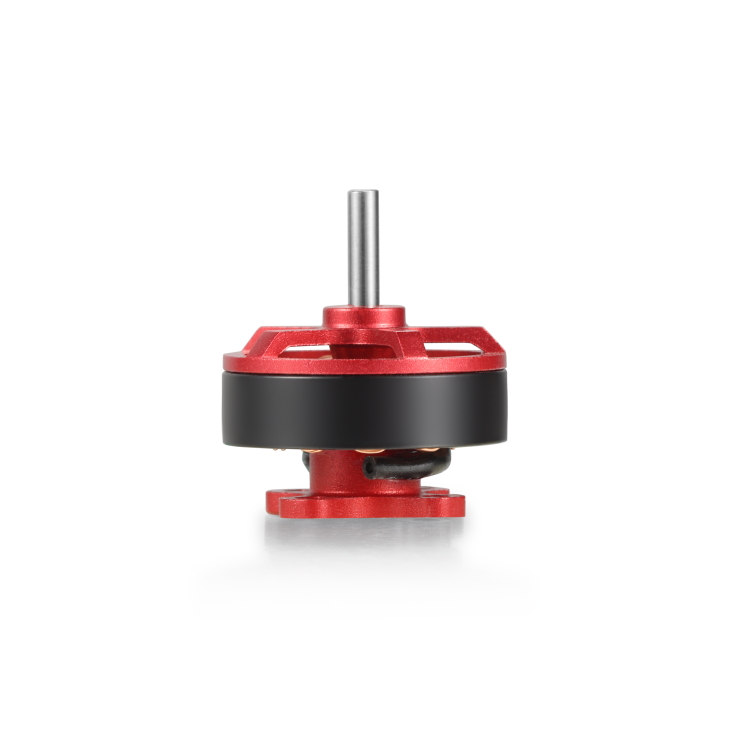
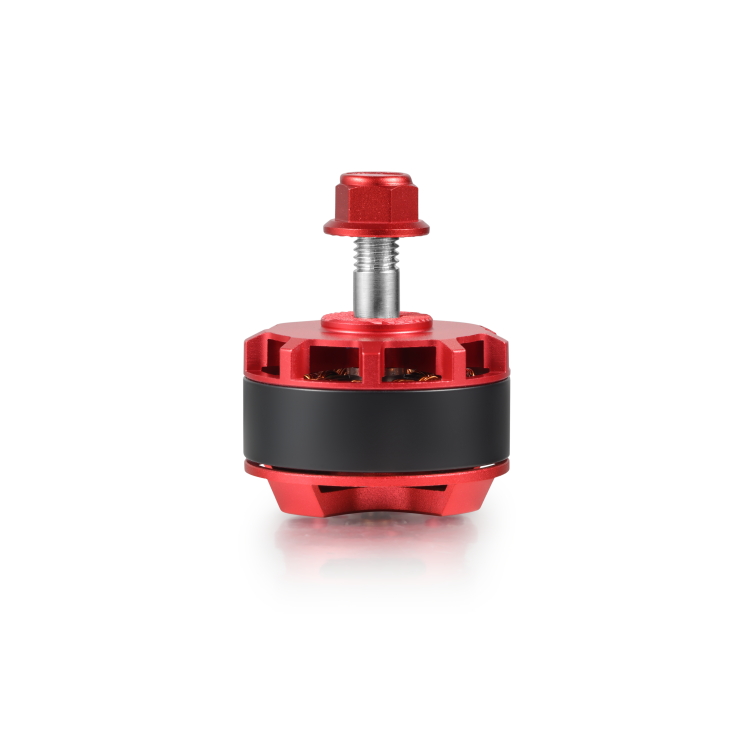
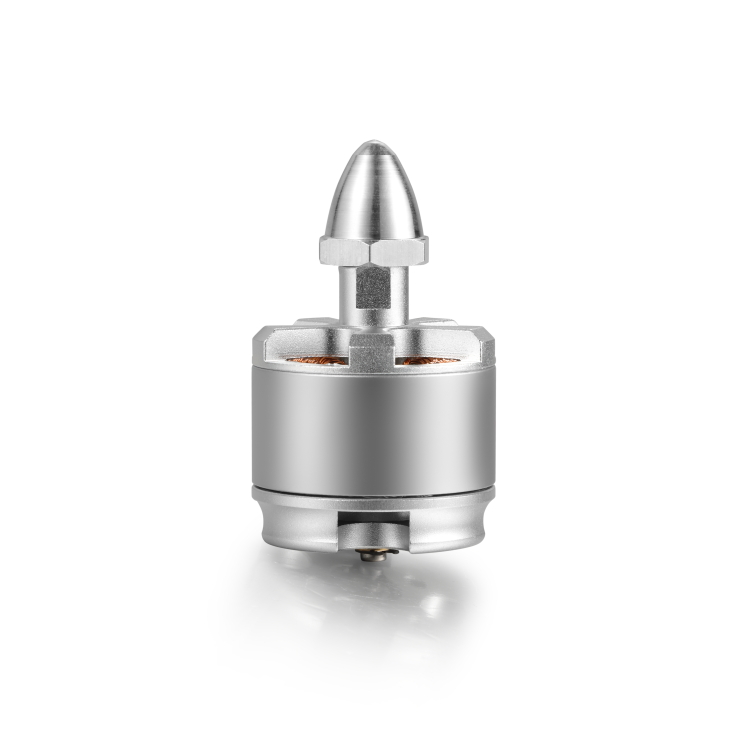
Motor size, often denoted as 2207, 2306, or 2208, determines stator diameter and height, affecting torque output and acceleration behavior.
Smaller motors (e.g., 2207, 2306): lighter weight, lower inertia, faster acceleration, ideal for tight tracks
Larger motors (e.g., 2208): higher torque, suitable for open tracks or heavy propellers
The choice of motor size is intimately tied to propeller selection, battery voltage, and track conditions. A well-chosen motor size ensures a balance between agility and power.
Motor performance is inseparable from propeller compatibility. High KV motors typically pair with smaller, high-pitch props to maximize acceleration, while lower KV motors drive larger props for higher thrust efficiency. Mismatched setups can cause overheating, reduced flight stability, or energy inefficiency, emphasizing that motor, propeller, and battery must be considered as an integrated system.
An FPV motor’s responsiveness depends on the ESC. High-performance setups rely on high-frequency control protocols, such as DShot600 or DShot1200, to deliver precise and immediate motor adjustments. Motors are also subjected to rapid thermal fluctuations during aggressive flight, making heat-resistant magnets, optimized windings, and airflow-friendly construction essential for sustained performance and durability.
Consistency in manufacturing directly affects racing performance. High-quality motors with precision machining, balanced rotors, and robust bearings deliver smoother throttle response, reliable flight behavior, and improved lifespan. In competitive racing, even minor imbalances can translate into lost control or reduced lap times, making build quality as important as specifications.
Example setup for a 5-inch racing drone (6S):
Motor: 2207 1900KV
Propeller: 5x4.3x3
Battery: 6S LiPo
Aggressive racing setup:
Motor: 2306 2100KV
Propeller: High-pitch racing prop
In both cases, proper integration of motor size, KV, propeller, and ESC is crucial for achieving optimal performance and control.
Selecting the best FPV motor for racing drones is about finding the right balance between KV rating, motor size, torque, propeller matching, ESC compatibility, and thermal performance. The goal is to create a propulsion system that delivers rapid acceleration, precise control, and reliable performance under aggressive conditions.
A well-chosen motor does more than provide speed; it transforms the flying experience, allowing pilots to push limits with confidence, achieve faster lap times, and enjoy the thrill of responsive, high-performance FPV racing.
 what's app