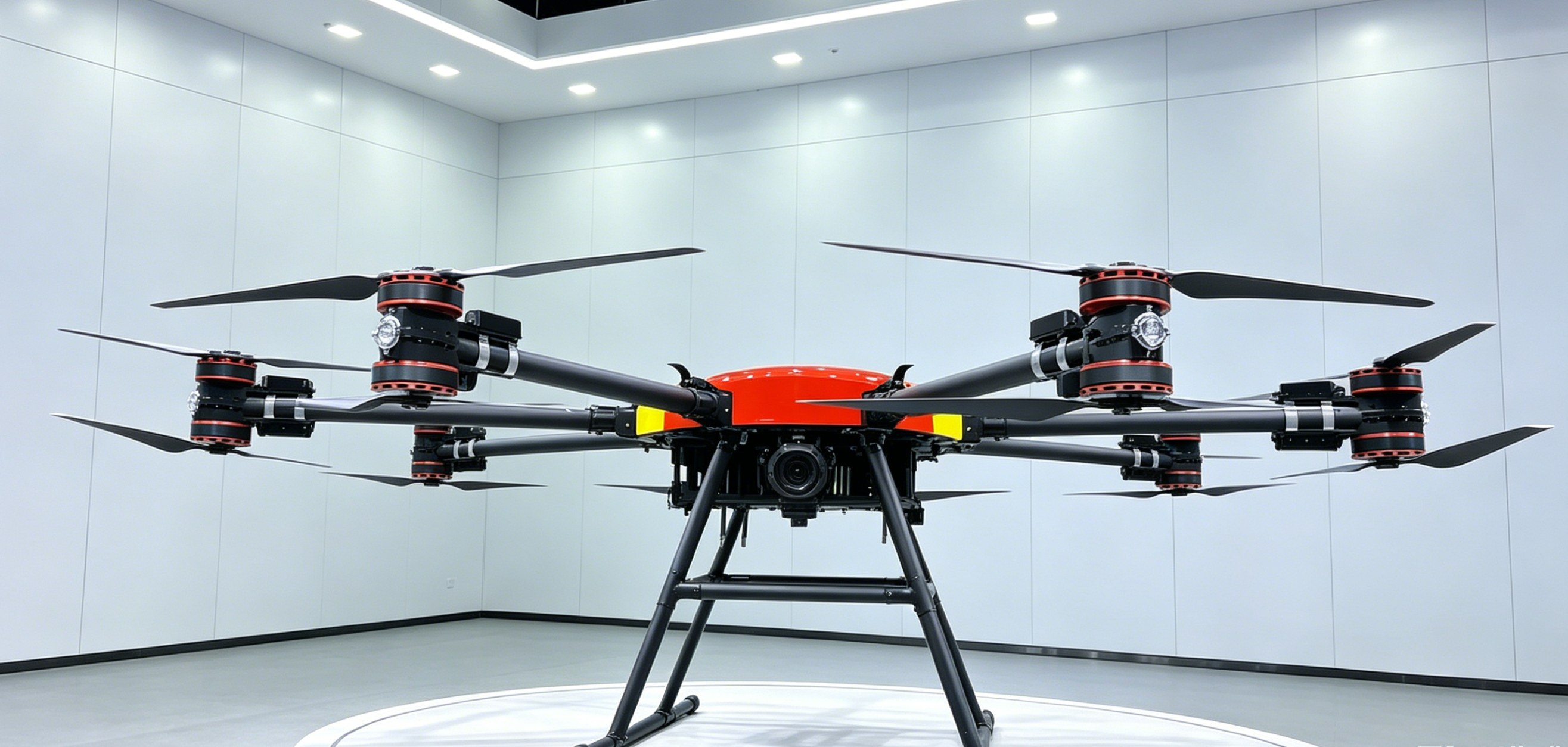
As drone technology continues evolving, flight speed has become one of the most exciting areas of development in the UAV industry. From ultra-fast FPV racing drones to high-performance freestyle aircraft and advanced experimental UAV platforms, modern drone pilots increasingly demand stronger acceleration, higher RPM output, and faster throttle response. At the center of this performance system lies one critical component: the drone motor.
In UAV applications, motor speed is not determined by a single specification alone. Instead, it results from the interaction of several important factors, including KV rating, battery voltage, propeller size, motor dimensions, ESC tuning, and overall aircraft design. For FPV racing drones, “fast” usually means explosive throttle response and extremely high rotational speed. However, for larger drones, raw speed must be carefully balanced with torque, stability, efficiency, and thermal control.
Understanding how these factors work together is essential when selecting the right high-speed drone motor for modern UAV applications.
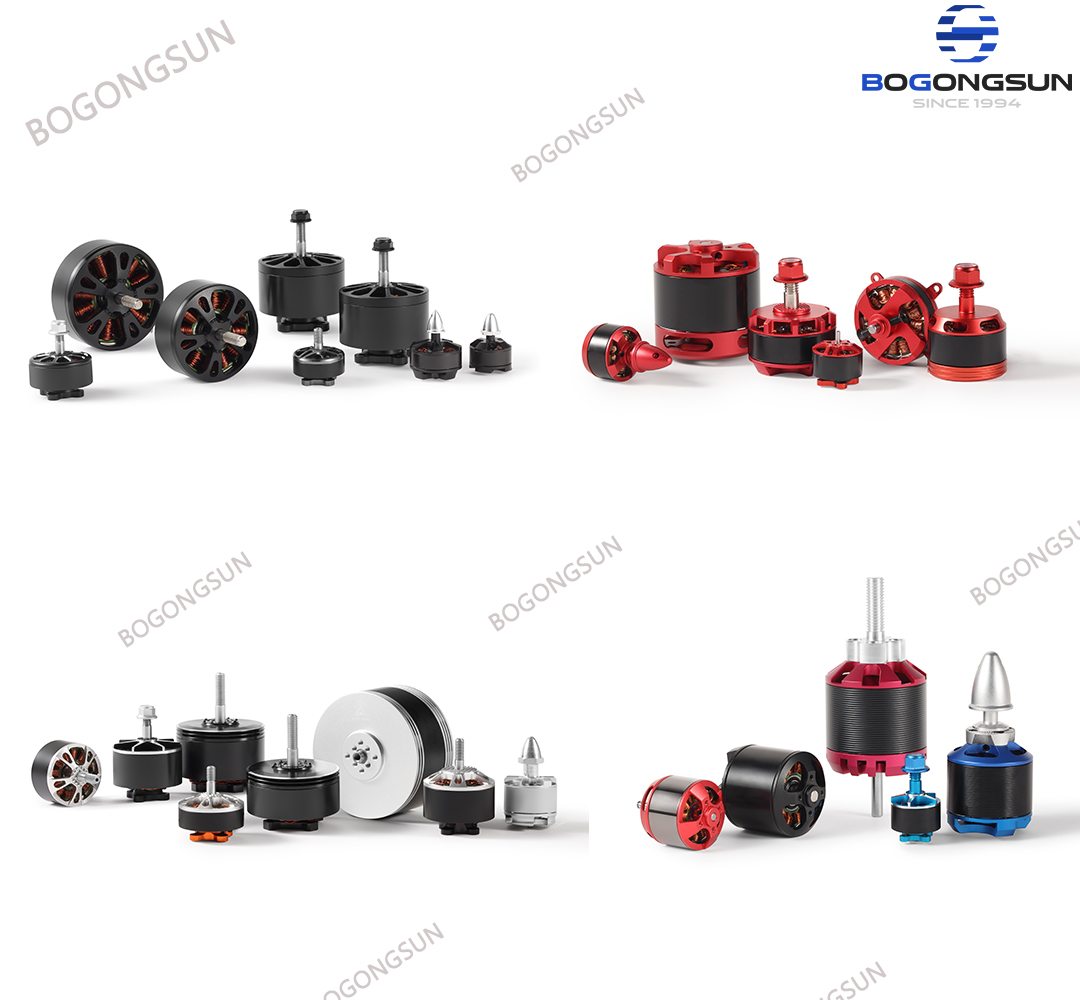
At BGS Drone Motor Website, we specialize in high-performance outrunner brushless drone motors engineered for FPV racing, freestyle drones, industrial UAVs, and advanced high-speed drone platforms.
A high-speed drone motor generally refers to a brushless motor capable of producing extremely high rotational speeds while maintaining rapid throttle response and stable power delivery.
Most modern high-speed UAV systems use: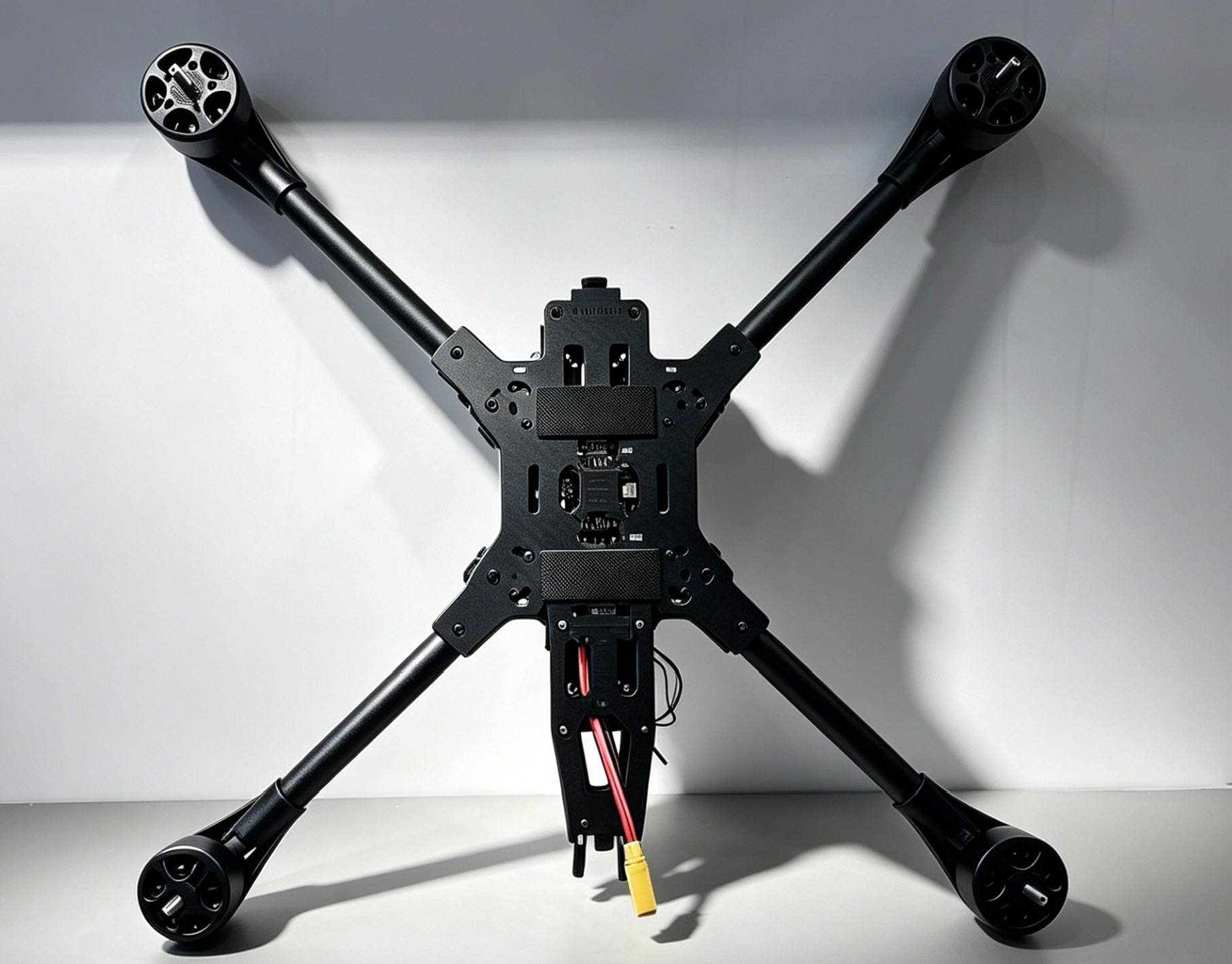
Brushless DC motors (BLDC motors)
Outrunner motor structures
High-KV configurations
High-voltage LiPo battery systems
These motors convert electrical energy into high-speed rotational force, allowing drone propellers to generate massive thrust and rapid acceleration.
In practical applications, FPV racing motors are currently among the fastest drone motors used in the real world because they are specifically optimized for aggressive flight behavior, low rotational inertia, and extremely fast throttle transitions.
When discussing drone motor speed, KV value is usually the first specification pilots consider.
KV represents how many revolutions per minute (RPM) a motor produces for every volt applied under no-load conditions.
RPM=KV×Voltage
For example:
A 2000KV motor running on 24V theoretically produces 48,000 RPM
A 3000KV motor running on 16V can also generate extremely high rotational speed
Generally speaking, higher KV motors spin faster and respond more aggressively to throttle input. This is why high-KV motors dominate the FPV racing industry.
However, high KV does not always mean better performance for every drone application.
Higher RPM often comes with:
Increased heat generation
Reduced torque efficiency
Higher current consumption
Greater vibration sensitivity
As a result, large UAVs usually use lower KV motors because they require stronger torque and better efficiency rather than maximum RPM.
Among all drone categories, FPV racing drones use the fastest motors in practical applications.
These motors are specifically designed for:
Instant acceleration
Rapid directional changes
High throttle punch
Lightweight racing frames
Aggressive propeller combinations
Most FPV racing motors use high-KV outrunner brushless designs ranging from approximately:
1900KV–2100KV for 6S systems
2300KV–2800KV for 4S racing builds
3000KV+ for micro FPV drones
The combination of lightweight construction and high RPM allows racing drones to achieve incredible flight speeds and ultra-fast throttle response.
At BGS, our FPV motor platforms are engineered with optimized magnetic circuits, lightweight rotor structures, and precision balancing technology to improve rotational efficiency and high-speed stability under aggressive racing conditions.
Modern high-speed drones almost exclusively use outrunner brushless DC motors.
Compared with brushed motors or inrunner designs, outrunner BLDC motors provide several major advantages:
Higher torque output
Faster propeller response
Better cooling efficiency
Improved power-to-weight ratio
Greater propeller compatibility
In an outrunner motor, the external shell rotates around the internal stator. This rotating outer bell increases leverage and allows the motor to generate stronger rotational force while maintaining efficient airflow cooling.
This design is especially important for FPV drones because pilots require instant throttle changes and precise aerial control during high-speed maneuvers.
High-KV outrunner motors therefore remain the best solution for maximizing flight speed and rapid responsiveness in modern UAV systems.
Motor KV alone does not determine actual flight performance. Propeller size plays an equally important role in determining how fast a drone can accelerate and how efficiently the motor operates.
Large propellers create more aerodynamic resistance and require greater torque to spin. As propeller size increases, the motor’s actual RPM decreases under load.
Smaller propellers, however, allow the motor to spin much faster because they create less resistance.
This is why FPV racing drones commonly use:
5-inch propellers
High-pitch lightweight blades
Aggressive aerodynamic designs
These propellers allow high-KV motors to maintain extremely high rotational speeds while generating explosive acceleration.
For larger drones, propeller size increases significantly, which is why lower KV motors become necessary to maintain torque stability and efficiency.
Battery voltage is another major factor influencing drone motor speed.
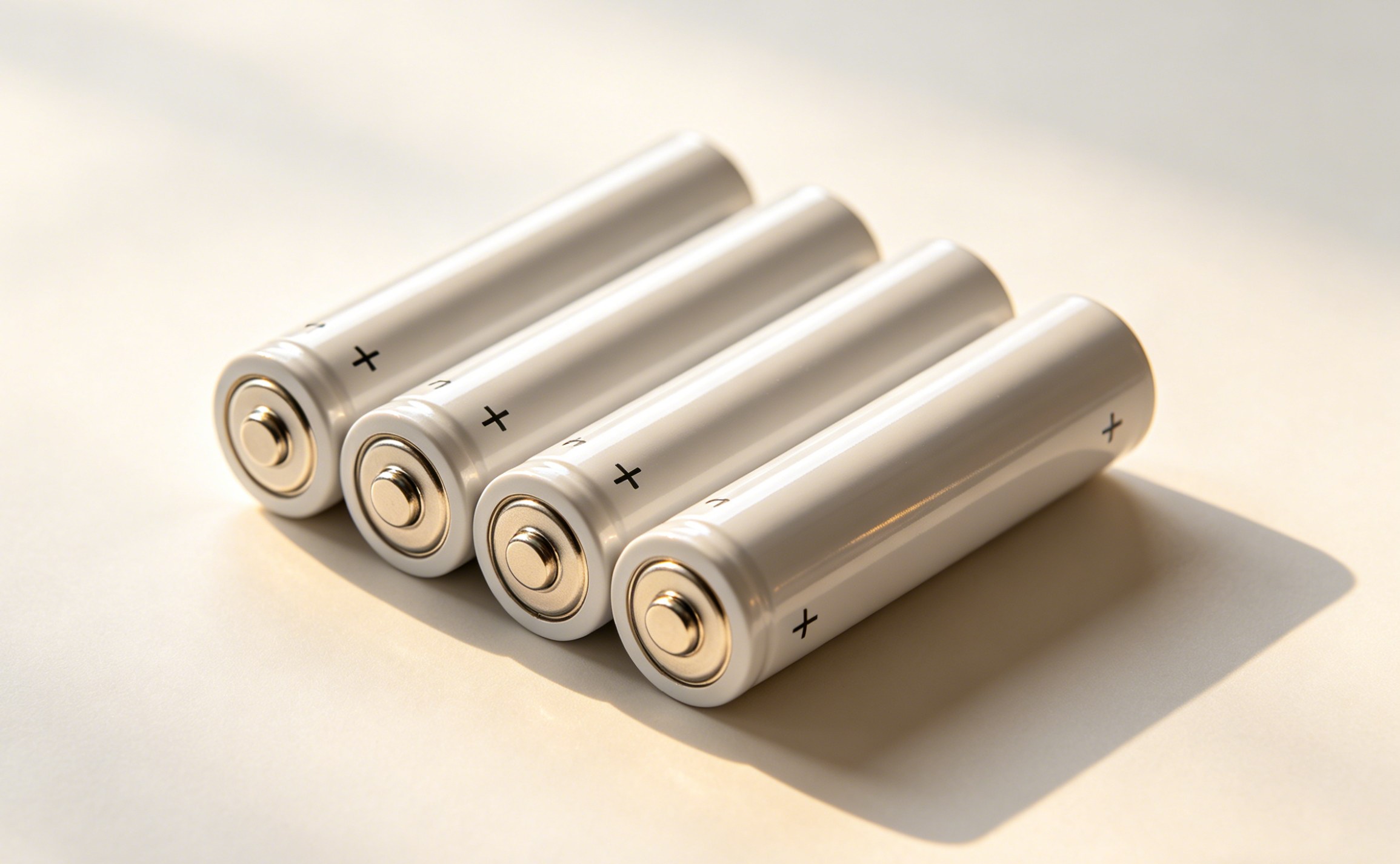
Modern FPV systems commonly use:
4S LiPo batteries
6S LiPo batteries
8S high-performance setups
Higher voltage allows the motor to reach higher RPM while reducing current demand for equivalent power output.
For example:
A 6S battery system generally provides faster throttle response than 4S
Higher voltage setups improve acceleration and efficiency simultaneously
However, higher voltage also increases stress on:
ESC systems
Motor windings
Bearings
Propellers
This is why high-speed drone motors must be carefully engineered for thermal management and structural durability.
BGS high-speed UAV motors use precision copper windings, optimized stator laminations, and high-temperature N52H magnets to improve stability during high-RPM operation.
Many beginners assume that larger motors are always faster, but this is not necessarily true.
Motor size affects:
Torque output
Heat dissipation
Propeller compatibility
Rotational inertia
Smaller FPV motors often spin faster because they have lower rotational mass and lighter propeller loads. Larger motors, however, provide stronger torque for bigger propellers and heavier drones.
For example:
2207 and 2306 motors dominate high-speed FPV racing
2507 and 2806.5 motors prioritize torque and cinematic control
Large industrial UAV motors focus more on efficiency and stability than raw RPM
Selecting the correct motor therefore depends heavily on flight purpose and aircraft design.
High-speed drone motors are now widely used across multiple UAV sectors.
This remains the most extreme high-speed application category. Racing drones require:
Maximum RPM
Rapid throttle response
Lightweight motor structures
Aggressive acceleration
Freestyle drones prioritize a balance between speed and control. Pilots need strong punch-outs while maintaining smooth mid-throttle behavior for cinematic tricks and aerial maneuvers.
Some advanced builders develop custom speed drones specifically optimized for top-end velocity. These systems often use:
Ultra-high KV motors
Specialized propellers
Aerodynamic frames
High-voltage battery systems
Although not focused purely on speed, long-range drones still benefit from efficient high-speed cruise performance and stable throttle control.
As drone motors spin faster, heat generation increases dramatically.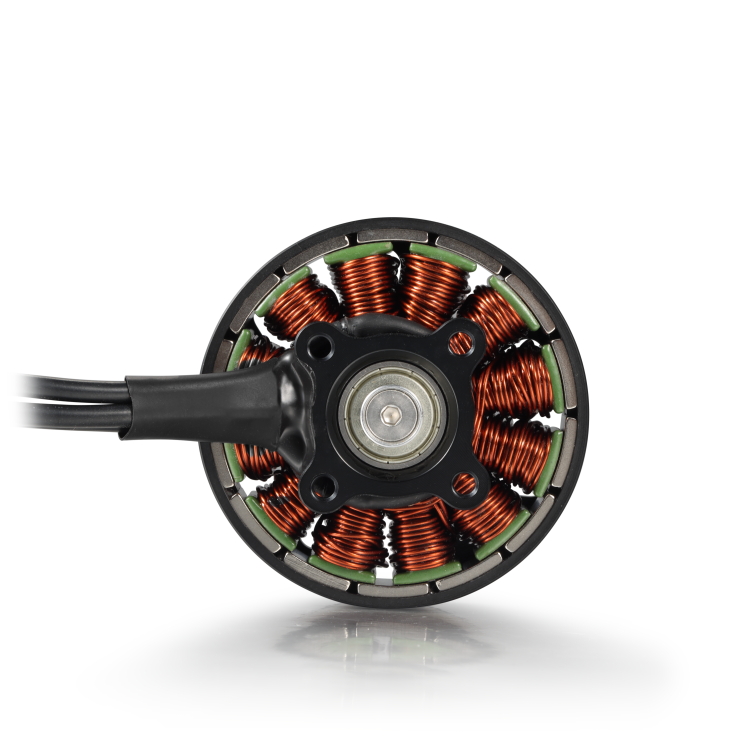
High-speed motors therefore require:
Efficient cooling airflow
Precision balancing
High-temperature magnets
Durable bearings
Optimized winding structures
Without proper thermal management, excessive heat can reduce efficiency, damage magnets, or shorten motor lifespan.
At BGS, our high-speed drone motors are engineered with optimized airflow cooling systems and lightweight CNC aluminum structures to improve heat dissipation during aggressive flight conditions.
Drone motor technology continues advancing rapidly as manufacturers pursue higher efficiency and stronger performance.
Current trends include:
Higher voltage compatibility
Lightweight unibell structures
Improved magnetic efficiency
AI-assisted ESC tuning
Better cooling airflow designs
Reduced rotational inertia
Stronger crash durability
As FPV and high-speed drone markets continue growing, outrunner brushless motors will remain the dominant propulsion solution for modern UAV systems.
 what's app