
As drone technology continues to evolve, pilots are demanding more power, longer flight times, heavier payload capacities, and higher speeds. Whether you're flying an FPV racing drone, a cinematic platform, an agricultural UAV, or an industrial inspection drone, motor performance remains one of the most critical factors affecting flight reliability.
However, one common issue affects both beginners and experienced operators alike: motor overheating.
An overheated motor can reduce efficiency, shorten motor lifespan, damage ESCs and batteries, cause flight instability, and in severe cases lead to complete in-flight failure. Understanding why drone motors overheat and how to prevent it is essential for maximizing performance and protecting your investment.
This article explores the most common causes of drone motor overheating and provides practical solutions to keep your UAV operating safely and efficiently.
Drone motors generate heat naturally during operation. Electrical energy is converted into mechanical energy, and some energy is inevitably lost as heat.
The problem occurs when heat generation exceeds the motor's ability to dissipate it.
Several factors can contribute to excessive motor temperatures.
On of the most common causes of overheating is excessive current consumption.
When a motor is forced to produce more torque than it was designed for, it draws higher current from the battery. Higher current increases resistance losses inside the motor windings, generating significant heat.
Common Scenarios
Carrying payloads beyond design limits
Aggressive acceleration and rapid throttle changes
Frequent high-speed climbs
Heavy-lift applications using undersized motors
Warning Signs
Motors become extremely hot after short flights
Reduced flight efficiency
Battery voltage sag
ESC temperatures rise simultaneously
Prevention Methods
Select a motor with adequate torque reserves
Match motor power ratings to aircraft weight
Monitor current consumption during testing
Avoid operating continuously at maximum throttle
For industrial and agricultural drones, maintaining a safety margin of 20–30% between normal operating current and motor maximum current is generally recommended.
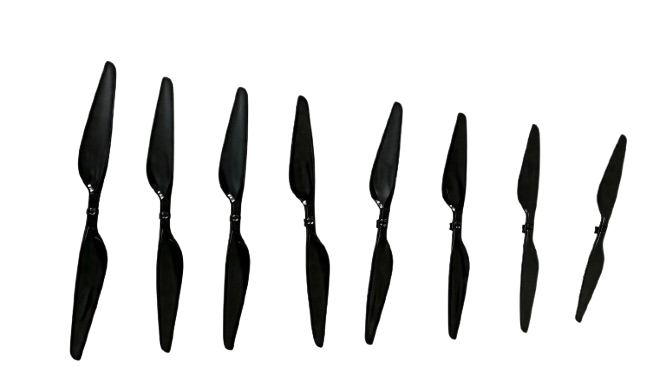
Propeller size has a direct impact on motor load.
A larger propeller produces more thrust, but it also requires more torque to rotate. If the motor is not designed for the chosen propeller size, current consumption increases dramatically, leading to overheating.
Example
A motor designed for a 10-inch propeller may overheat when paired with a 13-inch propeller because the increased aerodynamic load demands more torque than the motor can efficiently provide.
Effects
Excessive current draw
Increased winding temperature
Reduced motor efficiency
Potential demagnetization of magnets
Prevention Methods
Follow manufacturer propeller recommendations
Test motor temperatures after propeller changes
Use thrust tables when selecting propellers
Balance thrust requirements with motor capabilities
Motor KV refers to the theoretical RPM produced per volt applied without load.
Choosing the wrong KV rating for a specific application often causes overheating.
High KV Motors
High KV motors rotate faster but produce less torque.
When paired with large propellers or heavy drones, they must work harder to generate required thrust, causing excessive current draw and heat buildup.
Low KV Motors
Low KV motors provide more torque and generally perform better with larger propellers and heavier payloads.
Typical Matching Examples
| Drone Type | Recommended KV Range |
|---|---|
| FPV Racing Drones | 1800-2800KV |
| Cinematic FPV Drones | 900-1800KV |
| Heavy-Lift UAVs | 100-500KV |
| Agricultural Drones | 60-200KV |
Prevention Methods
Select KV based on propeller size
Consider aircraft weight and payload
Review motor efficiency curves
Conduct thrust and current testing before mass deployment
Even properly matched motors can overheat when operated continuously at high power.
Many drone pilots assume that if a motor is rated for a certain power level, it can sustain that output indefinitely. In reality, most power ratings represent peak rather than continuous operation.
Consequences
Increased winding temperature
Magnet degradation
Bearing wear
Reduced motor lifespan
Prevention Methods
Avoid prolonged 100% throttle operation
Plan efficient flight profiles
Allow cooling periods between missions
Utilize larger motors when continuous power is required
Industrial drone operators often design systems so that hover power remains below 60–70% throttle to maintain thermal stability.
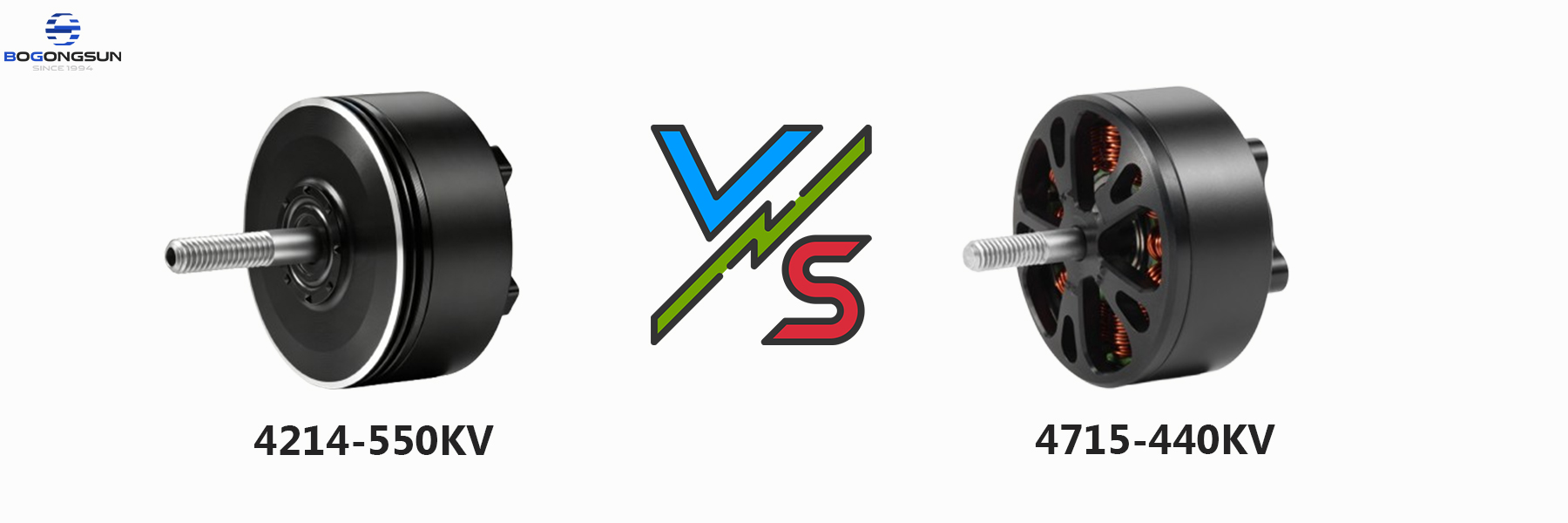
Drone motors rely heavily on airflow for cooling.
Insufficient airflow can cause heat to accumulate rapidly, especially during slow flight operations or high-payload missions.
Common Causes
Enclosed motor mounting structures
Obstructed ventilation paths
Dense payload installations
Hot environmental conditions
Prevention Methods
Use open-frame designs when possible
Ensure adequate airflow around motors
Avoid covering motor ventilation openings
Consider cooling-oriented motor designs
Many modern outrunner drone motors incorporate ventilation holes specifically to improve heat dissipation.
Not all overheating issues originate from electrical problems.
Mechanical resistance can also generate excessive heat.
Sources of Friction
Damaged bearings
Dust contamination
Bent motor shafts
Poor assembly tolerances
Symptoms
Rough motor rotation
Unusual noise or vibration
Uneven temperatures among motors
Prevention Methods
Inspect bearings regularly
Replace worn components promptly
Keep motors clean
Check shaft alignment after crashes
The ESC controls motor operation and significantly affects efficiency.
An improperly configured or undersized ESC can force the motor to operate inefficiently, creating additional heat.
Common Problems
ESC current rating too low
Incorrect timing settings
Inadequate cooling
Firmware misconfiguration
Prevention Methods
Choose ESCs with sufficient current capacity
Optimize ESC timing settings
Update firmware when necessary
Monitor ESC temperatures alongside motor temperatures
A common recommendation is to select ESCs rated at least 20–30% above expected maximum current draw.
Environmental conditions play a significant role in thermal management.
A motor operating safely at 20°C may experience overheating when flying in:
Desert environments
Tropical climates
Midday summer conditions
High-humidity regions
Why It Happens
As ambient temperature rises, the temperature difference between the motor and surrounding air decreases, reducing cooling efficiency.
Prevention Methods
Schedule flights during cooler hours
Reduce payload when operating in extreme heat
Increase cooling airflow
Use motors with higher thermal capacity
 what's app