In modern UAV systems, especially across FPV drones, multirotor UAVs, agricultural drones, and drone light show platforms, motor selection is a critical engineering process that requires precise matching of UAV motor KV, stator size, propeller load, battery voltage, and ESC capacity, in order to achieve the optimal balance between thrust output, efficiency, responsiveness, and long-term reliability.
A properly configured brushless outrunner motor not only improves flight performance and system efficiency, but also ensures stable operation across different mission profiles, ranging from high-speed racing to heavy-load industrial applications.
The performance of any UAV propulsion system can be summarized as:
Motor KV × Voltage + Propeller Load = Thrust, Efficiency & Stability
In practical applications:
High KV + small propeller → high speed and agility
Low KV + large propeller → high torque and efficiency
Larger stator size → stronger load capacity and thermal stability
For FPV drone motors used in racing and freestyle drones, where rapid throttle response and aggressive maneuverability are essential, high KV motors combined with lightweight structures provide optimal performance.
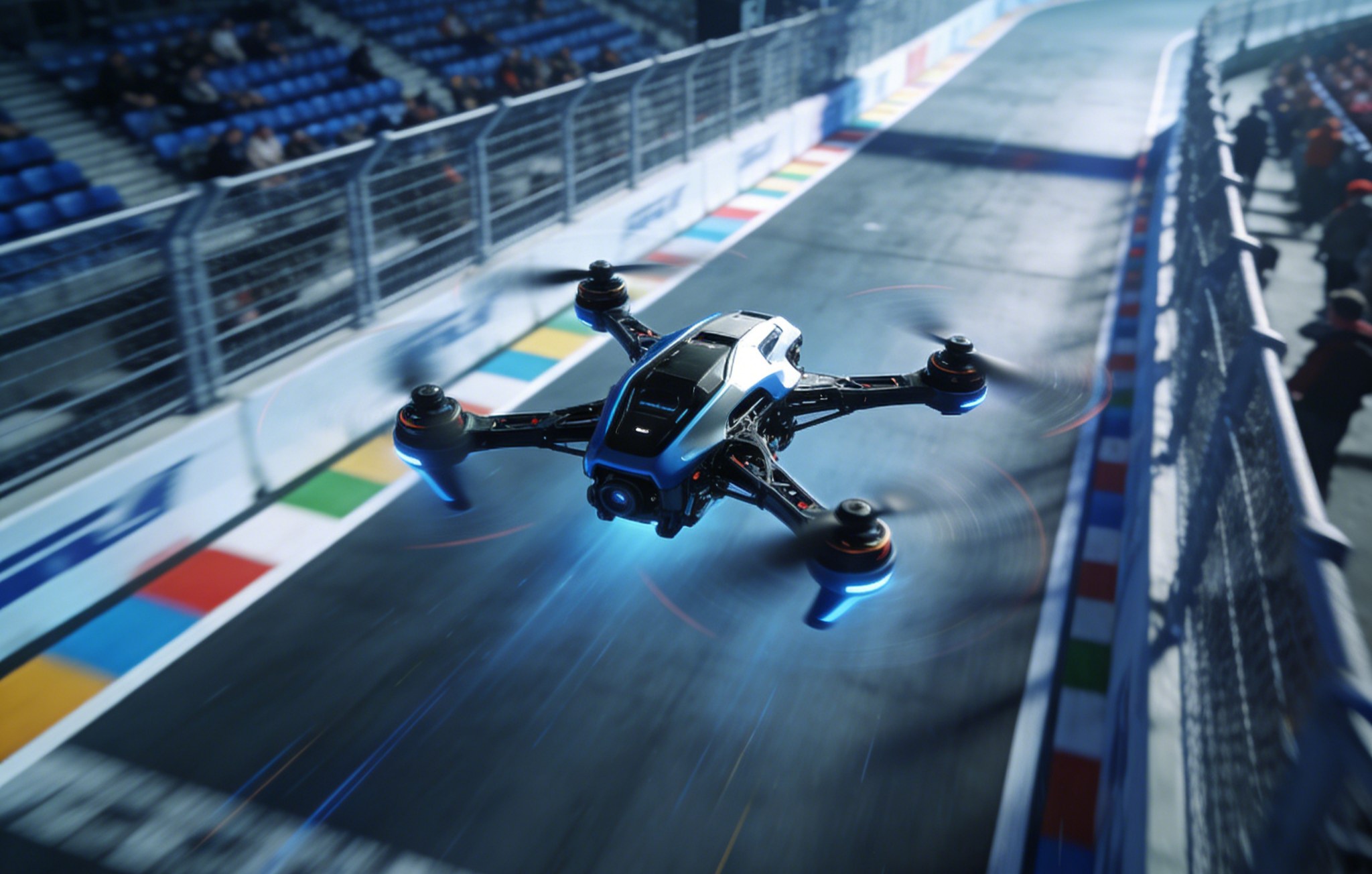
Motor Size: 2206 / 2207 FPV motor
KV: 2300–2700KV (4S) / 1700–2000KV (6S)
Propeller: 5 inch
ESC: 30–45A
Core advantages: high-speed response + high explosive power
For cinematic FPV drones and long-range UAV systems, efficiency and smooth thrust output are prioritized over speed, especially when carrying cameras or operating over extended distances.
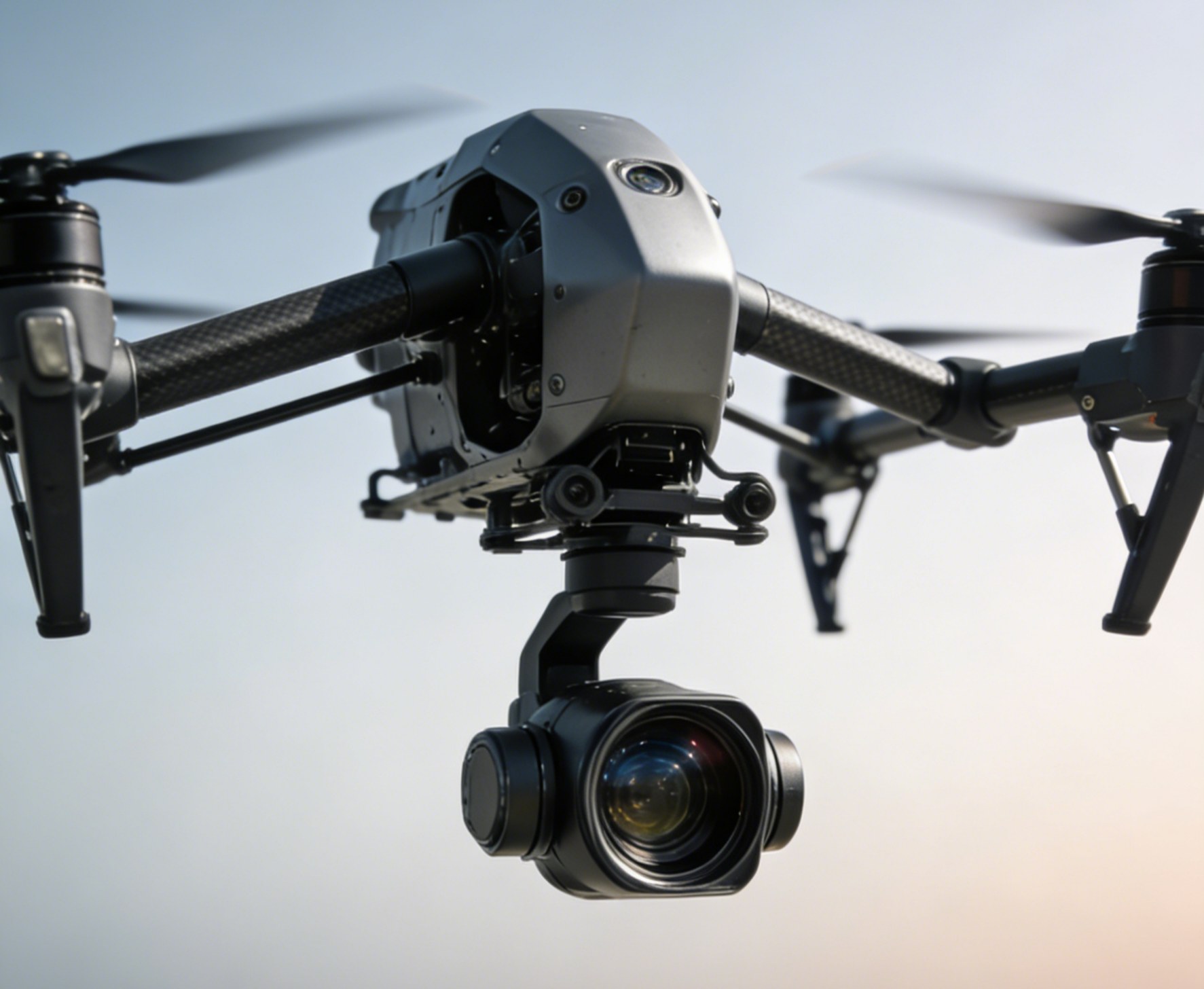
Motor Size: 2306 / 2408 UAV motor
KV: 1200–1700KV
Propeller: 6–7 inch
ESC: 40–60A
Core advantages: low vibration + long endurance + high efficiency
Industrial UAVs require motors capable of continuous high-load operation, stable torque output, and excellent thermal management for long-duration missions.
Motor Size: 3508 / 4006 / 5010 UAV motor
KV: 300–700KV
Propeller: 10–18 inch
Battery: 6S–12S
Core advantage: high load + high reliability

Motor Size: 1103 / 1104 / 1204 micro UAV motors
KV: 4000–8000KV (2S–3S)
Propeller: 2–3 inch
ESC: 8–15A
Because swarm drones rely on flight accuracy and synchronization, the motors must maintain consistent RPM output, low vibration, and minimal deviation, ensuring precise positioning and coordinated movement during large-scale aerial performances.
Core advantages: High consistency + low noise + high-precision control
For general multirotor UAV platforms, including inspection drones, mapping drones, and surveillance UAVs, the motor must provide a balance between efficiency, payload capacity, and flight stability, while supporting medium-duration missions.
Motor Size: 2212 / 2216 / 2814 UAV motor
KV: 800–1200KV
Propeller: 8–12 inch
Battery: 4S–6S
ESC: 30–60A
These motors are optimized for stable hovering performance and efficient cruising, ensuring that the UAV can maintain altitude with minimal power consumption while supporting moderate payloads such as sensors and cameras.
Core advantages: Stable hovering + high efficiency + strong versatility
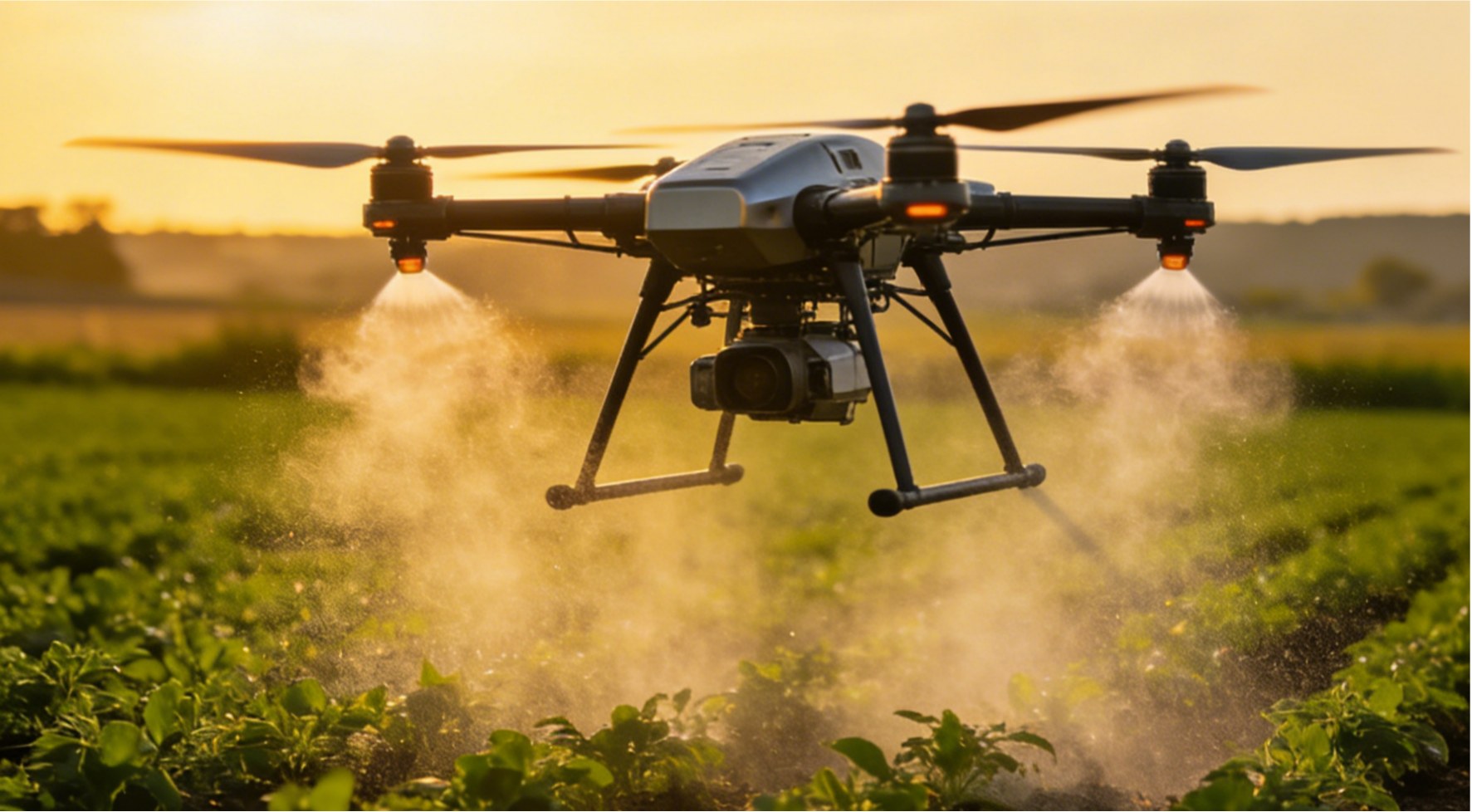
In agricultural UAVs, particularly for spraying and seeding operations, motors must handle heavy payloads, long operation cycles, and harsh environmental conditions, including dust, moisture, and high temperatures.
Motor Size: 4010 / 5010 / 6215 agricultural UAV motors
KV: 100–300KV
Propeller: 15–30 inch large propellers
Battery: 12S–14S high voltage systems
ESC: 80–150A industrial ESC
These systems rely on low KV, large stator motors to generate extremely high torque at low RPM, enabling efficient lifting of liquid payloads while maintaining stable flight and minimizing energy consumption.
Core advantages: ultra-high torque + strong load capacity + high durability
A UAV motor must always be matched with the full propulsion system:
ESC ≥ 1.2–1.5× motor max current
High voltage (6S–12S) improves efficiency
Propeller load must match KV
Larger motors improve torque but increase weight
UAV motor selection is ultimately about selecting the correct brushless outrunner motor configuration for each application, whether it is FPV racing drones, cinematic UAVs, multirotor platforms, drone light shows, or agricultural UAV systems, and ensuring proper matching between motor KV, stator size, propeller, ESC, and battery.
A well-designed propulsion system not only improves thrust and efficiency, but also enhances flight stability, system reliability, and operational lifespan, making it a key factor in the success of any UAV platform.
 what's app